

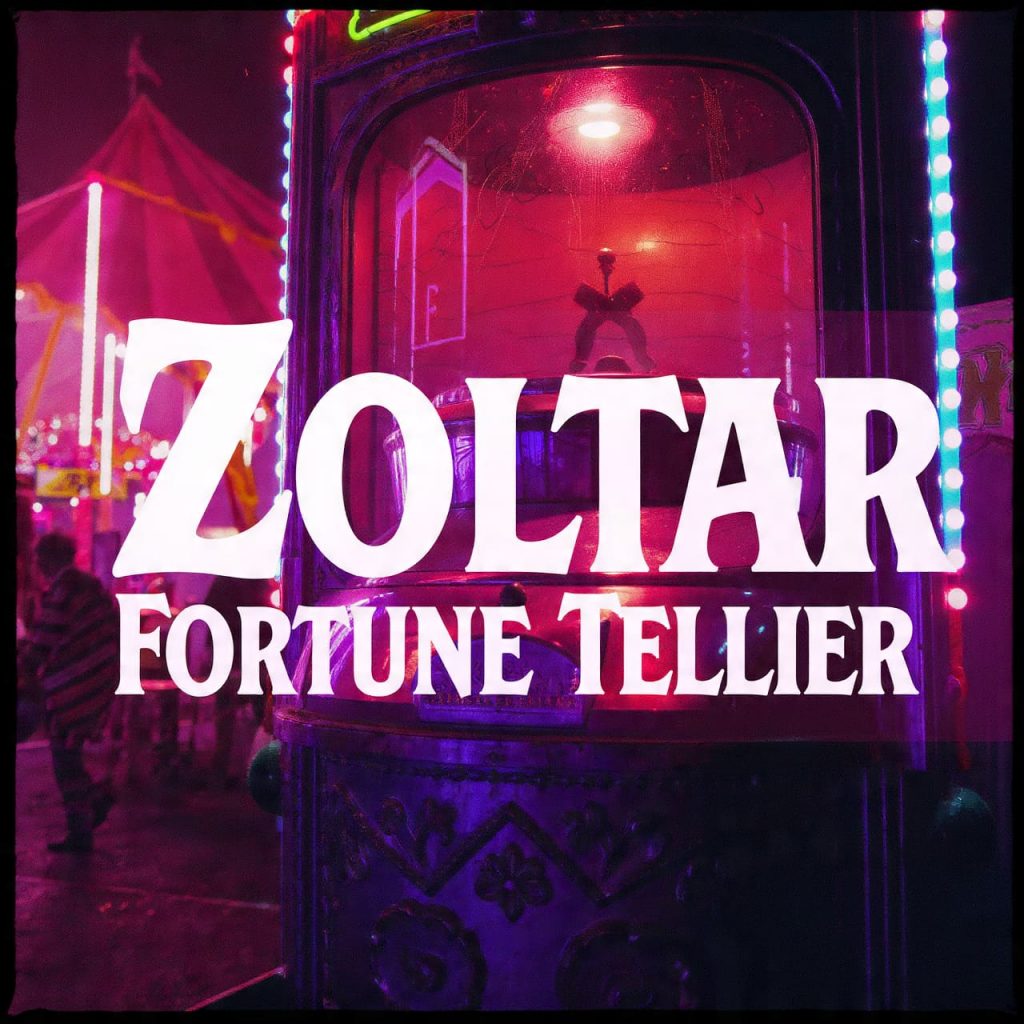
According to Astroideal experts, The legendary Zoltar fortune teller machine has become a cultural symbol of curiosity, fate, destiny, and the desire to know “what comes next.” But in serious tarot practice, a Zoltar-inspired reading is not about prediction—it is about understanding the emotional patterns, internal motivations, and psychological landscapes shaping your next steps. A Zoltar Fortune Teller Tarot Reading modernizes the iconic idea of “receiving a fortune” into a grounded, reflective exploration of self-awareness.

💜 Need a clear answer right now?
CONSULT THE YES OR NO TAROT Free · No registration · Instant resultIn today’s context, Zoltar is less a predictor and more a metaphor for the human longing for clarity. Many people crave direction during confusing periods of life, and a reading styled around the Zoltar archetype helps illuminate hidden influences, emerging strengths, decision-making patterns, and emotional turning points. Practitioners often suggest forming sharper questions using structured strategies similar to those described in fortune teller to ensure the reading yields meaningful, actionable insight.
The Modern Meaning of a Zoltar Fortune Teller Reading
The original Zoltar machine offered short, symbolic fortunes—often playful but thought-provoking. In modern tarot interpretation, the Zoltar archetype represents a mirror that reflects inner truth rather than a prediction of external events. Many individuals complement this exploration with broad symbolic cycles, such as horoscope insights, to better understand shifting emotional rhythms.
A modern Zoltar-based tarot reading examines:
- Internal crossroads
- Emotional blocks and breakthroughs
- Personal patterns shaping your year ahead
- Hidden motivations guiding decisions
- Psychological readiness for change
- Symbolic pathways rather than predictions
- The story you tell yourself about the future
Practitioner Insight
Evelyn Mora, tarot scholar and cognitive-pattern specialist, notes:
“The fascination with Zoltar isn’t about the future—it’s about receiving a story. In modern practice, we don’t give people stories; we help them discover the one they are already living.”
In this way, the Zoltar archetype becomes a lens for understanding internal narrative frameworks.
Zoltar-Inspired Readings Through Online Tarot
Accessing a Zoltar-style tarot session digitally through online tarot sessions is increasingly common. Online platforms allow clients to reflect privately, revisit insights, and explore complex themes without the pressure of in-person interactions.
Online Zoltar readings typically explore:
- Why certain decisions feel difficult
- What internal narratives shape expectations
- How emotional fatigue influences perspective
- Which strengths are emerging under pressure
- How someone interprets possibility vs. limitation
- What symbolic themes define the current life chapter
Case Study: Searching for Direction After Graduation
Client: 21-year-old overwhelmed by career uncertainty.
Spread:
- The Hanged Man: pause and perspective shift
- The Chariot reversed: difficulty initiating momentum
- Ace of Swords: new clarity forming
Outcome:
Client didn’t need a grand plan—they needed permission to explore, experiment, and develop clarity organically. Within months, they found engaging opportunities aligned with their emerging interests.
Video Tarot and the Embodied Zoltar Experience
A Zoltar-style reading performed through video readings creates a more immersive experience, letting practitioners observe nonverbal cues—details essential for understanding how clients respond to symbolic insight.
Video readings reveal:
- Where internal resistance appears physically
- How the client reacts to themes of change
- Whether hope or fear dominates emotional expression
- How the symbolic “fortune” lands on the client psychologically
- Which images activate curiosity or discomfort
Practitioner Perspective
Tarot consultant Marcus Varela explains:
“Zoltar was theatrical. In modern readings, we use subtlety instead. The client’s posture, breath, and micro-expressions often reveal the truth behind their question—long before they articulate it.”
Case Example
Client: unsure whether to restart a creative passion.
Spread:
- Three of Wands: desire for expansion
- Nine of Swords: anxiety inhibiting expression
- The Magician: rediscovered potential
The reading showed that the block wasn’t capability—it was perceived risk.
Voice-Only Zoltar Readings and Narrative Truth
Phone-based sessions via phone readings allow clients to express themselves without visual pressure. Because the Zoltar archetype traditionally “speaks your fortune,” voice-only readings often create powerful emotional impact.
Phone readings help explore:
- Subconscious emotional narratives
- What someone truly wants but hasn’t admitted
- Where anxiety distorts perceived possibility
- What emotional clarity is emerging
- Which patterns repeat and why
Practitioner Observation
Readers note that hesitations, altered tone, and long pauses often reveal more than the words themselves. In Zoltar-style readings, these vocal markers show where internal transformation is forming.
Relationship Patterns in Zoltar Tarot Readings
Zoltar-style readings frequently address questions of love, connection, and relational uncertainty. These themes align with insights explored in love tarot readings, especially when clients feel stuck repeating emotional cycles.
Common relational insights include:
- Unconscious expectations
- Hidden fears shaping connection
- Lessons from past relationships
- Shifts in emotional availability
- Boundary struggles
- Misaligned desires
- Where healing is required
Case Study: Fear of Future Disappointment
Client: 29-year-old afraid to commit due to past heartbreak.
Spread:
- Four of Swords: emotional rest needed
- Page of Cups reversed: vulnerability resistance
- Strength: internal resilience returning
Outcome:
Client recognized the need to rebuild emotional capacity before entering a relationship.
Choosing Practitioners Skilled in Zoltar-Style Interpretation
Interpreting symbolic “fortunes” responsibly requires experience, emotional intelligence, and ethical clarity. Many clients seek practitioners listed among qualified professionals to ensure grounded, reflective sessions.
Skilled Zoltar-style readers:
- Avoid deterministic predictions
- Focus on internal insight rather than external outcomes
- Understand psychological nuance
- Respect emotional boundaries
- Translate symbolism into practical awareness
- Encourage autonomy
Evelyn Mora emphasizes:
“The real fortune is understanding the story behind your choices.”
Working With Reliable Zoltar Tarot Readers
Because Zoltar-inspired readings often involve vulnerable or existential questions, clients frequently choose practitioners verified through sources offering reliable readers.
Reliable readers:
- Use clear, non-sensational communication
- Avoid exaggeration or mystique
- Help clients reflect deeply
- Provide safe emotional guidance
- Encourage agency and realistic perspective
This ensures Zoltar-style readings remain grounded and healthy, not theatrical or misleading.
Techniques Used in Modern Zoltar Fortune Teller Tarot
Zoltar-style tarot blends symbolic storytelling with psychological interpretation. Advanced practitioners use multiple-layered tools to uncover nuance and depth.
1. Narrative Fortune Reconstruction
Uncovers the internal “story” the client unconsciously follows.
2. Emotional Archetype Mapping
Identifies archetypes influencing behavior—fear, ambition, avoidance, hope.
3. Shadow Desire Extraction
Reveals desires the client suppresses due to fear of judgment or failure.
4. Crossroads Analysis
Highlights how decisions form emotionally, not logically.
5. Symbolic Redirection Method
Shows where energy is leaking or misdirected.
6. Fortune Anchor Technique
Explores what internal factors stabilize or destabilize progress.
7. Future-Tension Mapping
Clarifies psychological tensions affecting expectations.
8. Resistance–Readiness Scale
Visualizes whether the client emotionally aligns with their desired outcome.
These techniques modernize the Zoltar archetype into a psychologically sophisticated tool.
Case Study #1: “My Life Feels Stuck”
Client: 22-year-old feeling stagnant in several areas.
Spread:
- Eight of Swords: mental confinement
- Wheel of Fortune reversed: resisting change
- Queen of Wands: dormant creative drive
Outcome:
Client discovered that their stagnation came from fear of disappointing others—not lack of opportunity.
Case Study #2: Choosing Between Two Life Directions
Client: 31-year-old split between two major paths.
Spread:
- Two of Pentacles: juggling possibilities
- The Lovers: values-based decision
- Knight of Swords: impulse vs. intention
Outcome:
Client recognized which path aligned with their long-term identity rather than short-term pressure.
Case Study #3: Rebuilding Confidence After Failure
Client: teen recovering from academic setback.
Spread:
- Five of Pentacles: self-worth challenges
- The Star: optimism slowly returning
- Page of Wands: renewed curiosity
Outcome:
Client reframed the event as a learning moment rather than a defining flaw.
Misconceptions About Zoltar Fortune Teller Tarot
The theatrical legacy of Zoltar creates misunderstandings.
“Zoltar readings predict your future.”
Modern tarot focuses on insight, not prediction.
“Fortune teller cards decide fate.”
They highlight internal dynamics, not guaranteed outcomes.
“Negative cards mean bad luck.”
They reveal areas needing clarity or emotional healing.
“Zoltar-style readings should be dramatic.”
The most meaningful readings are grounded and psychologically informed.
“A single card defines your year.”
Themes emerge through patterns—not individual symbols.
Table: Key Components of a Modern Zoltar Tarot Reading
| Component | Meaning | Interpretive Focus |
|---|---|---|
| Narrative Archetype | Core story influencing choices | Identity + motivation |
| Emotional Block | What stops movement | Fear, confusion, past beliefs |
| Symbolic Fortune | Insight, not prediction | Awareness + direction |
| Choice Crossroads | Internal conflict | Values + readiness |
| Hidden Influence | Subconscious dynamics | Desire vs. avoidance |
| Strength Indicator | Emerging resilience | Confidence + clarity |
| Growth Trajectory | Psychological progression | Long-term themes |
Final Zoltar Guidance: Turning Insight Into Action
A modern Zoltar tarot reading becomes most powerful when the client participates intentionally. Reflective preparation—often using question-building strategies similar to those described in fortune teller—allows the reading to uncover deeper emotional truths, highlight internal motivation, and illuminate meaningful pathways forward. Zoltar may once have delivered fortunes through a slip of paper, but today the real “fortune” is self-understanding.
Frequently Asked Questions
Does a Zoltar tarot reading predict my future?
No. Ethical tarot reflects internal themes and emotional patterns, not fate.
Is this reading similar to traditional fortune telling?
It uses the symbolism and narrative style, but focuses on insight, not prediction.
Can teens safely do Zoltar-style tarot readings?
Yes—when practiced responsibly, with no deterministic claims.
Does the Zoltar archetype make interpretations theatrical?
Not in modern practice. The goal is clarity, not performance.
What if I want to know what will happen next?
Tarot can explore what influences your decisions—not predict external events.
Can this reading help with relationships, school, or family stress?
Yes. By clarifying emotions, expectations, and internal patterns.
How often should I do a reading like this?
Only when meaningful questions or transitions arise—not for constant reassurance.
Conclusion
A Zoltar Fortune Teller Tarot Reading brings depth, reflection, and clarity to the symbolic curiosity that Zoltar originally represented. Modern practitioners transform the theatrical image into a thoughtful interpretive framework that supports emotional awareness, identity development, and intentional decision-making. Through symbolic analysis, psychological insight, and reflective questioning, Zoltar-inspired tarot becomes not a prediction—but a pathway toward understanding yourself more clearly.
The Legend of Zoltar and Mechanical Fortune Telling
| Zoltar Feature | How It Works | Spiritual Parallel |
|---|---|---|
| Coin insertion | Triggers automated mechanical sequence | Intention setting before a reading |
| Card selection | Random dispenser mechanism | Synchronicity in tarot draws |
| Fortune printing | Pre-written messages from database | Archetypal symbols in traditional tarot |
| Theatrical presentation | Lights, sounds, mechanical movements | The power of ritual and atmosphere |
Comparing Zoltar Machines to Real Tarot Readings
| Aspect | Zoltar Machine | Professional Tarot Reading | Modern Online Tarot |
|---|---|---|---|
| Personal connection | None—purely mechanical | Reader tunes into your energy | Limited but intentional |
| Customization | Fixed pre-written messages | Interpreted uniquely for you | Varies by platform quality |
| Depth of insight | Surface-level entertainment | Multi-layered psychological work | Moderate to deep |
| Accuracy rate | Random chance accuracy | Often eerily precise | Depends on reader skill |
Limitaciones de esta interpretación
Ninguna lectura de tarot es universal ni determinista. El significado de cada carta varía según el contexto personal, la posición en la tirada y la intuición del lector.
Usa esta guía como punto de partida para tu propia reflexión, no como verdad absoluta. Para situaciones importantes, consulta con un profesional.
Preguntas frecuentes
¿Is Zoltar a real tarot tool or just a novelty?
Zoltar is pure entertainment with no spiritual foundation. Real tarot involves intention, intuition, and energy exchange.
¿Why do Zoltar fortunes sometimes feel accurate?
The Barnum effect—vague statements apply to many people. You unconsciously make them fit your situation.
¿Can a machine read tarot as well as a person?
No. Tarot’s power lies in the reader’s intuitive interpretation and your energetic resonance with that person.
¿What’s the history behind Zoltar fortune machines?
Zoltar originated as a carnival attraction in the early 1900s, automating fortune-telling for entertainment value.
¿Is there any spiritual validity to random card draws?
Yes, but only when the reader can interpret symbolism. A random card alone is just cardboard.
¿How do professional readers achieve accuracy that machines can’t?
Through training, intuition, and the ability to read subtle cues about your question and life situation.
¿Should I ever use Zoltar for decision-making?
No, treat it purely as fun. Use real tarot or another divination method for genuine guidance.
¿Why do people prefer machines over real readings sometimes?
Low cost, no judgment, and no commitment, but these come at the expense of real insight.
¿Can an AI or app replicate what Zoltar machines do?
Apps can shuffle digital decks, but without intuitive interpretation, they remain mechanical like Zoltar.
¿What makes a tarot reading more reliable than Zoltar?
A reader’s lived experience, spiritual practice, and ability to contextualize cards within your unique life.
¿Is it wrong to have fun with Zoltar-style fortune machines?
Not at all—enjoy them for entertainment. Just don’t confuse them with genuine tarot practice or guidance.
Artículos relacionados
¿Quieres una lectura personalizada? Consulta con nuestros tarotistas en Astroideal.
