

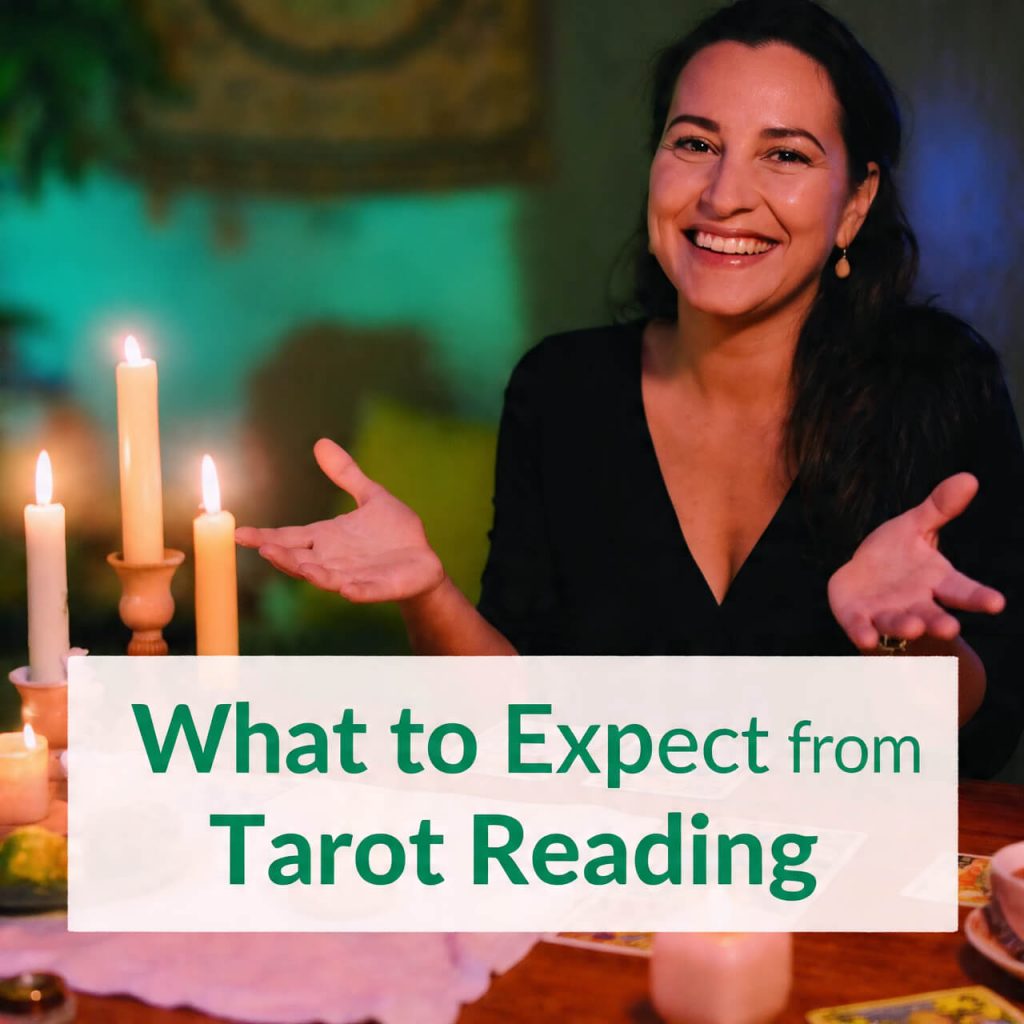
Tarot readings can be comforting, surprising, clarifying, or emotionally grounding, depending on the reader and the questions you bring. Many people approach tarot with curiosity, wondering whether it will offer predictions, spiritual insight, or simple reflection. In practice, an authentic tarot session is meant to help you explore your emotions, recognize patterns, and gain symbolic perspective on the situations shaping your life. Rather than delivering future guarantees, ethical tarot readers focus on supporting clarity, self-awareness, and thoughtful decision-making.

💜 Need a clear answer right now?
CONSULT THE YES OR NO TAROT Free · No registration · Instant resultUnderstanding what to expect from tarot reading removes confusion and helps you enter the session with realistic expectations. Tarot is not fortune-telling; instead, it is a reflective tool that uses symbols, archetypes, and intuitive interpretation to highlight emotional themes and internal influences. Practitioners suggest tarot is most insightful when approached with openness, curiosity, and an understanding that the cards mirror your inner world rather than predict external events.
If you prefer in-person support, many communities offer local tarot options, often highlighted in resources like local tarot options. Others choose online, phone, or video formats depending on comfort and accessibility. This article dives deeply into what you can expect before, during, and after a tarot reading, covering structure, emotional tone, common card interpretations, reader responsibilities, pricing expectations, and more — fully in line with modern ethical tarot practice.
Understanding the Purpose of Tarot Reading
Tarot as Reflection
Rather than predicting events, tarot reflects emotional themes, symbolic patterns, and internal influences.
Tarot as Insight
Readings help clarify how you feel about situations, relationships, or decisions.
What Tarot Aims to Provide
- Emotional awareness
- Symbolic interpretation
- Fresh perspectives
- Encouragement
- Insight into internal patterns
Common Misconceptions About Tarot
Misconception 1: It Predicts the Future
Tarot does not guarantee or foresee future events. It explores possibilities and internal energy.
Misconception 2: It Requires Belief in the Supernatural
Tarot works symbolically and reflectively, regardless of spiritual beliefs.
Misconception 3: It Tells You What to Do
Tarot highlights feelings and patterns; the decisions always stay with you.
Misunderstandings Many People Experience
- Expecting exact answers
- Thinking cards have fixed outcomes
- Believing all readers use the same method
- Assuming tarot replaces real-world decision-making
Some individuals compare tarot themes with symbolic timing found in their horoscope insights, but these reflections remain interpretive rather than predictive.
What Happens Before the Reading
Clarifying Your Intention
Readers often ask what you want to explore — relationships, career, personal growth, or emotional stress.
Setting Expectations
A responsible reader explains that tarot offers symbolic insight, not predictions. They may describe their reading style and boundaries.
Helpful Ways to Prepare
- Reflect on your emotional state
- Write a few open-ended questions
- Approach with curiosity, not pressure
Readers known for clarity and grounded communication are often found among videntes-fiables.
What Happens During the Reading
The Reader’s Explanation
The reader typically describes the spread, card positions, and how interpretation works.
The Interpretation Process
They explore symbols, themes, and emotional patterns present in the cards.
The Collaborative Element
Many readings invite conversation, allowing you to share impressions or ask questions.
What You May Experience
- Moments of recognition
- Emotional clarity
- Insightful symbolism
- New perspectives
- Gentle reflection
Tarot Reading Formats & What to Expect From Each
Online Tarot
People choose services such as tarot-online for convenience, privacy, and flexible scheduling.
Video Tarot Readings
Formats like tarot-videollamada allow face-to-face interpretation, which helps clarify tone and emotion.
Phone Tarot Readings
Some individuals prefer the simplicity and comfort of tarot-telefonico, especially during stressful topics.
In-Person Readings
The presence of the reader can make the experience feel grounded; many discover these through local tarot options, referenced at local tarot options.
What Changes by Format
- Level of emotional connection
- Privacy style
- Comfort level
- Type of communication
- Visual vs verbal interpretation
What Tarot Cards Represent
Major Arcana
These reflect major emotional or symbolic themes such as transitions, internal conflict, or clarity.
Minor Arcana
These focus on everyday emotional influences, communication patterns, actions, and practical concerns.
Court Cards
Often seen as personality traits or emotional patterns.
Symbolic Focus of Tarot Cards
- Thoughts and communication
- Feelings and emotional cycles
- Actions and motivation
- Stability, patience, or responsibility
- Purpose and direction
Some individuals combine tarot’s symbolism with emotional insights linked to their relationships, similar to themes explored in love tarot readings.
What Tarot Cannot Do
Tarot Cannot Guarantee Outcomes
Ethical readers never promise marriage, job success, or future events.
Tarot Cannot Replace Professionals
It does not replace medical, legal, educational, or mental health guidance.
Tarot Cannot Predict Exact Timelines
Events depend on choices, circumstances, and external factors.
Limitations to Understand
- Tarot is not all-knowing
- Interpretations are symbolic
- Decisions remain yours
- Insight is not instruction
Ethical readers who respect these boundaries are often featured among qualified professionals.
Reader Responsibilities During a Tarot Session
Emotional Awareness
Readers must be supportive, grounded, and respectful.
Clear Boundaries
They clarify what tarot can and cannot do.
Open Communication
Readers explain card meanings instead of hiding behind vague statements.
Reader Responsibilities You Should Expect
- Honest interpretation
- Respect for privacy
- No predictions
- No pressure or fear-based messaging
- No financial upselling
Client Responsibilities During a Tarot Session
Openness
You do not need to reveal everything, but being emotionally present helps the session feel more meaningful.
Realistic Expectations
Approach tarot as reflection, not certainty.
Personal Autonomy
You remain responsible for decisions outside the reading.
Client Expectations
- Stay curious
- Ask questions
- Reflect after the reading
- Maintain emotional boundaries
Common Structures Used in Tarot Readings
Single-Card Insights
Simple, focused emotional clarity.
Three-Card Spreads
Past-present-future, situation-insight-advice, or similar frameworks.
Larger Spreads
More complex readings such as 7-card or 10-card layouts.
Table 1: Common Tarot Spread Structures
| Spread Type | Purpose | What to Expect |
|---|---|---|
| Single Card | Quick clarity | Simple theme |
| Three-Card | Emotional overview | Broader reflection |
| Celtic Cross | Deep exploration | Multi-layered insight |
| Custom Spread | Specific questions | Tailored symbolism |
What You Might Feel During a Tarot Reading
Recognition
Certain cards may feel familiar or emotionally relevant.
Relief
Understanding emotional patterns often reduces stress.
Confusion
Not all symbolism lands instantly; some meaning emerges later.
Emotional Responses People Often Experience
- Curiosity
- Comfort
- Surprise
- Reflection
- Motivation
Some individuals revisit symbolic messages later when reviewing their horoscope insights for broader emotional patterns.
Pricing: What to Expect Financially
Standard Pricing
Prices vary based on reader experience, session length, and format.
No Upselling
Ethical readers never pressure you into additional services.
Table 2: Typical Pricing Ranges
| Format | Expected Range |
|---|---|
| Online | $20–$55 |
| Video | $30–$75 |
| Phone | $25–$45 |
| In-Person | $40–$110 |
| Extended Reading | $75–$150 |
Transparent pricing is one reason people prefer grounded practitioners such as those listed among videntes-fiables.
What to Expect After the Reading
Reflective Processing
Themes may become clearer over hours or days.
Emotional Shifts
You may feel calmer, more grounded, or more aware.
Symbolic Insight
Certain card images may linger in your thoughts.
Healthy Post-Reading Practices
- Journal your impressions
- Revisit questions
- Notice emotional shifts
- Reflect on recurring symbols
Some individuals integrate tarot reflections with intuitive timing cycles from horoscope insights.
Frequently Asked Questions
Is tarot supposed to predict my future?
No. Tarot highlights emotional and symbolic patterns, not specific events.
What if a card scares me?
No card predicts danger. Each symbol has constructive meaning, even if it looks intense.
Do tarot readers need special abilities?
No. Readers rely on symbolism, emotional awareness, and communication skills.
Should I prepare questions?
You can, but it’s optional. Open curiosity is enough.
How long does a typical reading take?
Most last 30–60 minutes, depending on the spread and depth.
Is online tarot less accurate?
No. Insight depends on communication and interpretation, not the format.
Can teens get tarot readings safely?
Yes — when the reader is ethical and the session focuses on reflection, not prediction.
Should I base decisions on tarot?
Tarot supports emotional clarity, but choices should always be your own.
Conclusion
Knowing what to expect from tarot reading helps you approach the experience with openness and realistic understanding. Ethical tarot sessions provide reflection, clarity, and symbolic insight — not predictions or guaranteed outcomes. Whether you choose phone, video, online, or grounded in-person support through local tarot options, the session should feel safe, respectful, and empowering.
Tarot encourages self-awareness, emotional understanding, and thoughtful decision-making. When approached responsibly, it becomes a meaningful tool for exploring inner patterns and building personal clarity in a gentle, grounded way.
