

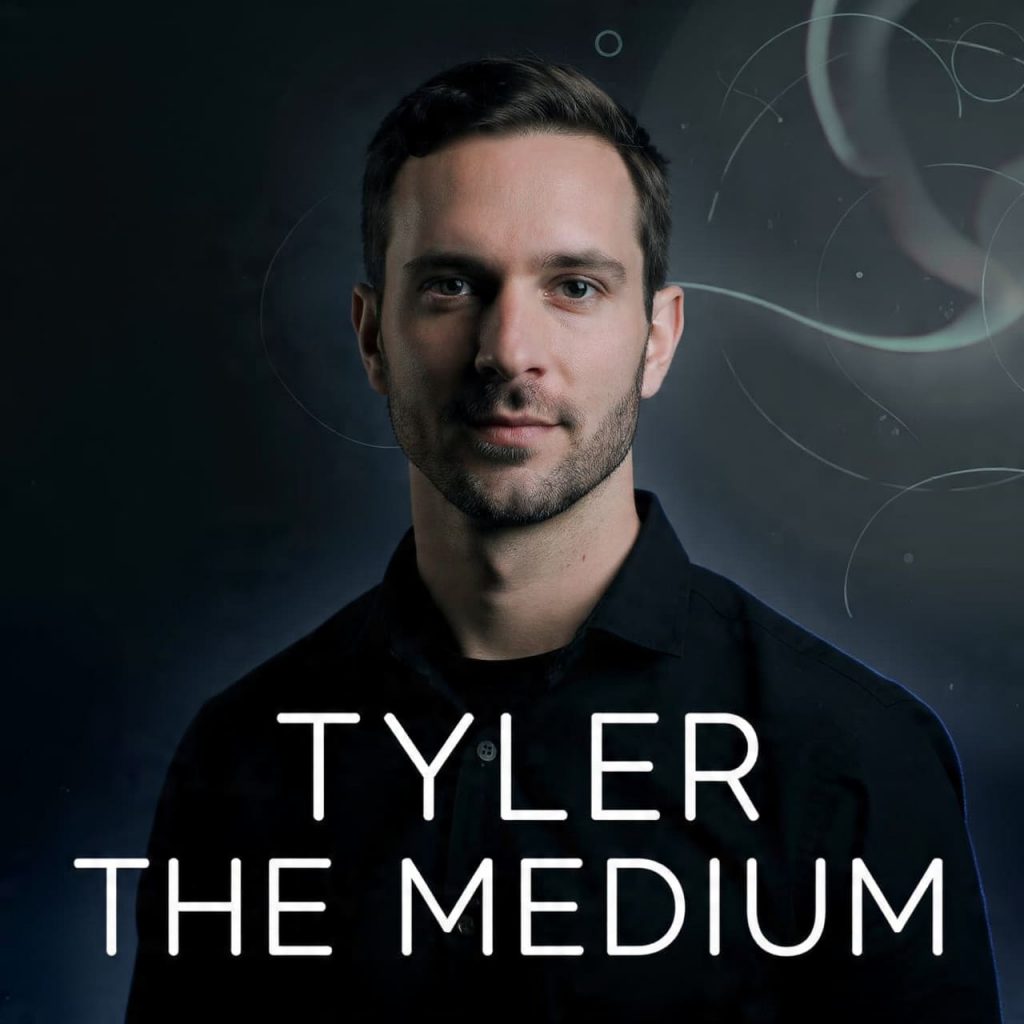
Tyler the Medium is often discussed in conversations about contemporary intuitive practices, especially in online spaces where spiritual reflection intersects with personal storytelling. Unlike traditional portrayals of mediums as distant or theatrical figures, Tyler the Medium is commonly described as part of a newer generation of practitioners who emphasize accessibility, interpretation, and personal responsibility.

💜 Need a clear answer right now?
CONSULT THE YES OR NO TAROT Free · No registration · Instant resultMany people explore content related to Tyler the Medium not to seek certainty, but to understand how modern mediumship is framed in a balanced, conversational way.
This article provides an informative, neutral overview of Tyler the Medium, focusing on how such figures are generally perceived, how mediumship is commonly practiced today, and how audiences often engage with this type of content. Throughout, it reflects the broader landscape of ethical, interpretive work carried out by qualified professionals rather than making absolute claims.
Understanding the Role of a Modern Medium
What “medium” typically means today
In contemporary contexts, a medium is often described as someone who claims heightened intuitive perception, particularly related to emotional impressions, symbolic messages, or reflective insight. Many believe modern mediumship focuses less on prediction and more on interpretation, dialogue, and meaning-making.
How modern mediums differ from traditional stereotypes
Historically, mediums were often associated with dramatic séances or definitive messages. Today, figures like Tyler the Medium are more commonly associated with calm presentation, conversational language, and disclaimers that emphasize interpretation rather than certainty.
Audience expectations in the digital age
With the rise of social media and digital publishing, audiences tend to expect transparency and relatability. Mediums who acknowledge uncertainty and encourage reflection are often seen as more credible than those offering absolute answers.
Tyler the Medium in the Broader Intuitive Landscape
Position within contemporary spiritual culture
Tyler the Medium is often discussed alongside other intuitive practitioners who blend personal narrative with reflective insight. This places such figures within a broader cultural shift toward self-awareness and emotional literacy rather than fortune-based thinking.
Ethical framing and responsibility
Many modern practitioners emphasize ethical boundaries. They often clarify that insights are subjective and encourage individuals to maintain autonomy. This approach aligns with how many people seek reliable readers—by valuing honesty over certainty.
Public perception and discussion
Public conversations around Tyler the Medium frequently focus on tone, approachability, and how messages are delivered rather than on claims themselves. This reflects a wider trend toward evaluating how guidance is framed, not just what is said.
Formats Commonly Associated With Modern Mediums
In-person sessions and structured conversations
Some mediums offer in-person sessions where dialogue and reflection are central. These sessions are typically framed as collaborative discussions rather than one-directional readings.
Digital and remote engagement
Many modern mediums connect with audiences remotely. Through online tarot sessions adapted for intuitive discussion, practitioners may share impressions verbally, emphasizing interpretation over instruction.
Accessibility through multiple formats
Beyond written or spoken content, intuitive discussions may take place across video, audio, and live formats, allowing individuals to choose how they engage.
Video-Based Mediumship and Public Visibility
Why video formats are popular
Video allows audiences to observe tone, pacing, and demeanor. This transparency can help viewers assess credibility and comfort level before engaging more deeply.
Structure of video discussions
During video readings or similar formats, mediums often explain their impressions step by step. This process-oriented approach helps audiences understand how interpretations are formed.
When video content is most useful
Video formats are often helpful for introductory exposure. They allow individuals to observe without immediate participation, supporting informed decision-making.
Phone and Audio-Based Mediumship
The appeal of audio-only formats
Some people prefer audio formats because they reduce visual distraction. Phone-based discussions can feel more focused and private.
How phone sessions are typically framed
In phone readings, modern mediums usually guide the conversation carefully, emphasizing reflection and allowing space for questions rather than delivering uninterrupted messages.
Accessibility considerations
Phone formats are widely accessible and often chosen for their simplicity and discretion.
Preparing to Engage With a Medium
Why preparation matters
Many practitioners suggest that preparation influences how meaningful an intuitive conversation feels. Clarity of intention helps keep discussions grounded and relevant.
Asking reflective questions
Using strategies explained in psychic reading, individuals are often encouraged to ask open-ended questions focused on understanding patterns or emotions rather than seeking definitive outcomes.
Common preparation practices
People often prepare by:
- Identifying one or two key themes
- Approaching the session with curiosity
- Remaining open to interpretation
Relationship and Emotional Topics in Mediumship
Why personal relationships are common themes
Discussions around relationships are frequent because they involve emotions, communication, and personal growth. Modern mediums often frame these topics reflectively.
How relationship insights are approached
Rather than focusing on another person’s actions, many practitioners emphasize the individual’s responses and choices. Symbolic frameworks similar to love tarot readings may be referenced as metaphors, not predictions.
Maintaining emotional balance
Ethical mediums typically encourage self-reflection and boundaries, avoiding language that implies inevitability.
Pricing, Duration, and Expectations
General pricing considerations
Pricing varies widely depending on format, duration, and experience. Transparency around cost and session length is often viewed as a sign of professionalism.
Typical session lengths
The table below outlines commonly observed structures across modern intuitive practices.
| Session Length | Common Use Case | General Expectation |
|---|---|---|
| 15–20 minutes | Focused topic | Introductory reflection |
| 30–45 minutes | Broader discussion | Pattern exploration |
| 60 minutes | In-depth conversation | Contextual insight |
Evaluating value responsibly
Many believe value lies in clarity and dialogue rather than in duration or dramatic delivery.
Mediumship and Broader Reflective Systems
Integration with symbolic frameworks
Some mediums reference broader symbolic systems to provide context. These may include timing concepts or personality archetypes rather than fixed guidance.
Astrology as contextual background
References to horoscope insights are often used illustratively, offering thematic context without defining outcomes.
Maintaining interpretive balance
Responsible practitioners emphasize that all such systems are interpretive tools, not absolute authorities.
Frequently Asked Questions
Who is Tyler the Medium?
Tyler the Medium is commonly discussed as a modern intuitive figure associated with reflective, conversational approaches to mediumship.
Does Tyler the Medium make predictions?
Many believe modern mediums focus on interpretation and insight rather than fixed predictions.
How do people usually engage with this type of content?
Engagement often begins through videos, articles, or discussions before moving to direct sessions, if at all.
Is mediumship meant to replace professional advice?
No. Mediumship is generally framed as reflective insight, not a substitute for professional guidance.
Are sessions available remotely?
Many modern mediums offer remote formats such as video or phone discussions.
How often do people engage with mediums?
Frequency varies. Some engage occasionally during transitions, while others simply follow public content.
Conclusion
Tyler the Medium is often viewed as part of a broader shift in how mediumship is presented and understood in modern culture. Rather than emphasizing certainty or prediction, contemporary mediums tend to focus on interpretation, dialogue, and personal responsibility.
When approached thoughtfully, this type of content can offer perspective and reflection without replacing individual judgment or professional support. As with any interpretive practice, clarity, discernment, and balanced expectations remain essential.
