

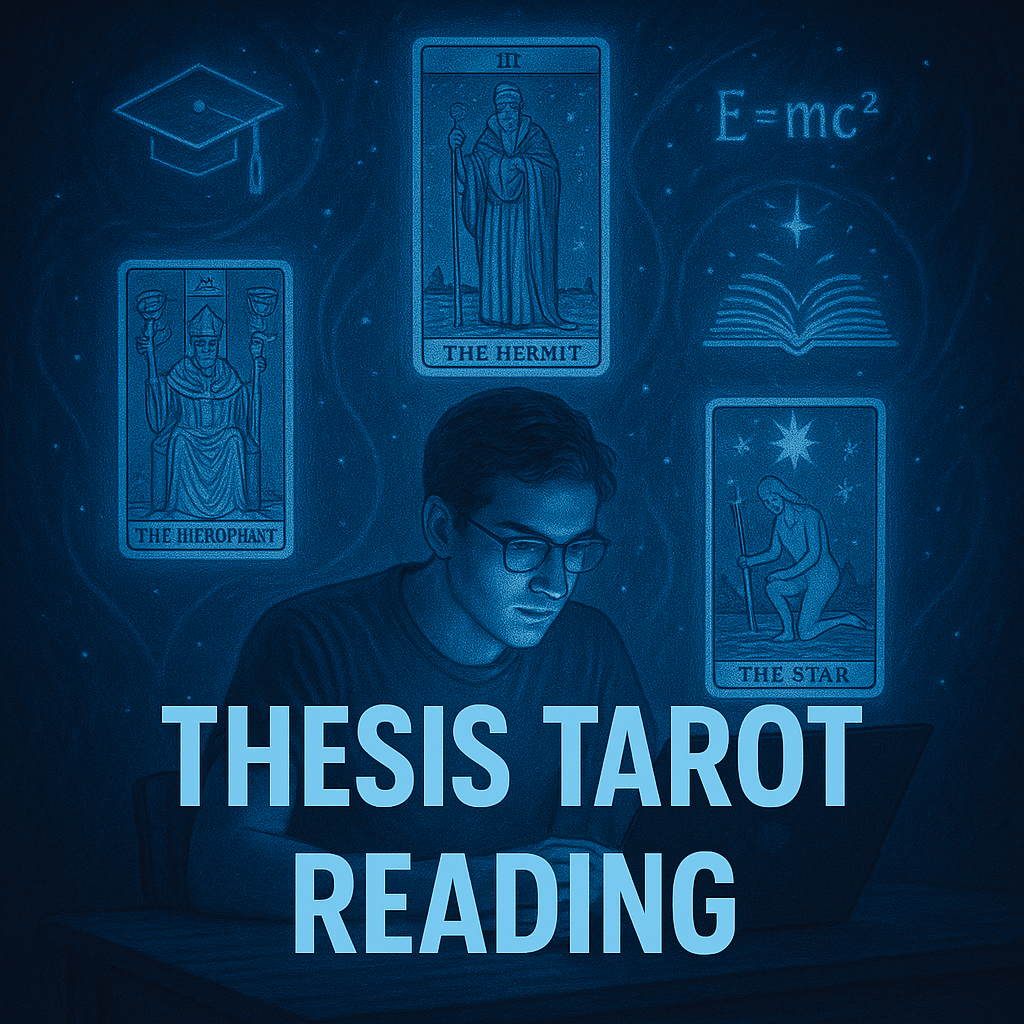
Writing a thesis is often described as one of the most mentally demanding and emotionally intense stages of academic life. It requires independent structure, sustained motivation, emotional resilience, and the ability to work through uncertainty for extended periods. Students may experience perfectionism, procrastination, fear of failure, creative block, advisor pressure, and isolation all at once. A thesis tarot reading is not designed to replace academic supervision, research methodology, institutional review, or grading systems.

💜 Need a clear answer right now?
CONSULT THE YES OR NO TAROT Free · No registration · Instant resultPractitioners suggest it works best as a symbolic, reflective tool for exploring emotional readiness, mental focus, confidence cycles, decision fatigue, and internal resistance during the thesis process.
Rather than predicting approval, defense outcomes, or publication success, tarot highlights mindset patterns, pressure dynamics, and emotional interference that may affect sustained academic performance. When approached realistically, it supports emotional clarity alongside disciplined academic work.
Emotional Cycles That Shape the Thesis Journey
The thesis process unfolds in emotional phases such as excitement, overwhelm, avoidance, re-engagement, doubt, and endurance. These cycles are sometimes interpreted symbolically alongside broader timing patterns such as those reflected in horoscope insights, which many people use to understand periods of challenge, discipline, isolation, and personal maturation.
Why the Thesis Phase Feels So Intense
Unlike exams or coursework, a thesis has no daily structure unless the student creates one. This autonomy can amplify anxiety, self-doubt, and burnout.
What Tarot Adds to These Academic Cycles
Tarot does not judge research quality. Instead, it symbolically reflects emotional stamina, pressure thresholds, internal resistance, and creative confidence during long academic commitments.
How Thesis Tarot Readings Work in Practice
A thesis tarot reading does not evaluate research design, statistical validity, or literature strength. Its role is emotional processing and mental alignment. Many practitioners suggest that using strategies explained in cards meanings helps students ask healthier questions about motivation, discipline, fear, and creative blockage rather than seeking approval predictions.
Common Positions in a Thesis Tarot Spread
A structured spread may symbolically explore:
- Current emotional relationship to the thesis
- Blocks affecting progress
- Strengths that sustain endurance
- External pressure sources
- The personal growth theme within the thesis journey
Why Timing Is Interpreted Symbolically
Tarot timing reflects emotional readiness to engage, persist, revise, or release—not submission dates, defense schedules, or evaluation timelines.
Psychological and Emotional Patterns in Thesis Work
The thesis process often activates deep internal conditioning related to perfectionism, identity, authority figures, and fear of visibility. Revisiting card symbolism using cards meanings frequently reveals recurring cycles such as imposter syndrome, burnout, procrastination, self-criticism, and avoidance behavior.
Perfectionism and Creative Paralysis
Some cards reflect emotional shutdown caused by fear of producing imperfect work.
Authority Pressure and Advisor Anxiety
Tarot often highlights tension linked to approval-seeking from supervisors or institutions.
Isolation and Emotional Withdrawal
Long periods of solitary work can subtly affect emotional balance and motivation.
Common Tarot Cards in Thesis Tarot Readings
Many students explore thesis-related emotional pressure through online tarot sessions, which allow quiet reflection without academic performance exposure.
Cards That Often Reflect Thesis Readiness and Focus
- The Hermit – solitude, concentration, and inner mastery
- Page of Pentacles – steady research discipline and learning
- The Magician – skill, capability, and focused intention
Cards That Often Reflect Thesis Blockage
- Nine of Swords – anxiety and mental overwhelm
- Seven of Cups – scattered thinking and confusion
- Five of Pentacles – discouragement and loss of confidence
These cards represent emotional states—not academic evaluation.
Visual and Interactive Thesis Tarot Sessions
Students who benefit from guided emotional discussion often choose video readings to talk through fear, fatigue, and direction challenges in real time.
Why Visual Interaction Can Be Helpful
Facial expression and tone help identify whether fear, burnout, or self-criticism is blocking progress.
When This Format Is Often Preferred
Students approaching major milestones such as chapter submission, revisions, or defense preparation often use visual sessions.
Private and Discreet Guidance for Thesis Stress
Many students hide struggle during thesis work due to fear of judgment. For this reason, phone readings are often preferred for emotional privacy and psychological safety.
Who Often Prefers This Option
Students dealing with burnout, shame, or stalled progress.
What This Format Emphasizes
Calm pacing, focused reassurance, and non-visual emotional grounding.
Emotional Support Systems and Thesis Endurance
The intensity of thesis work often interacts with family relationships, partnerships, and emotional dependency. Some individuals reflect on emotional attachment patterns through love tarot readings when thesis pressure affects personal relationships or emotional availability.
When Emotional Support Strengthens Thesis Progress
Stable emotional encouragement often improves focus and persistence.
When Relationship Conflict Disrupts Academic Focus
Tarot may reflect when emotional tension pulls mental energy away from research.
Choosing Ethical and Trustworthy Thesis Tarot Readers
Because students are emotionally vulnerable during thesis work, many seek guidance from qualified professionals who clearly state that tarot provides emotional insight—not academic assessment. Others consult reliable readers to avoid exaggerated claims about successful defense or publication.
Why Ethics Matter in Thesis Tarot
Students under performance pressure are highly susceptible to certainty-based promises.
What Ethical Readers Avoid
They avoid predicting grades, approval, defense results, or academic outcomes.
Pricing, Duration, and What to Expect From a Thesis Tarot Session
| Format | Average Duration | Common Focus |
|---|---|---|
| Online Session | 15–25 minutes | Emotional clarity and motivation |
| Video Reading | 30–45 minutes | Interactive stress and focus guidance |
| Phone Reading | 20–40 minutes | Private emotional regulation |
What a Standard Thesis Tarot Session Usually Covers
- Emotional blocks affecting productivity
- Burnout and anxiety patterns
- Internal discipline challenges
- External pressure sources
- Emotional readiness for sustained efforts
Key Benefits of Thesis Tarot Readings
- Encourages emotional clarity during long academic projects
- Highlights burnout and avoidance cycles
- Supports mental focus and discipline
- Improves confidence under pressure
- Promotes responsible emotional self-regulation
Frequently Asked Questions
Can a thesis tarot reading guarantee that my thesis will be approved?
No. Tarot reflects emotional and psychological patterns only. It does not predict academic evaluation or outcomes.
Is thesis tarot a substitute for an academic supervisor?
No. Tarot does not replace research guidance, methodological review, or institutional standards.
Can tarot help with thesis procrastination?
It can symbolically highlight emotional roots of avoidance but does not replace time-management skills.
How often should someone take a thesis tarot reading?
Practitioners usually suggest using it during major emotional pressure phases rather than repeatedly.
Is thesis tarot helpful for PhD and Master’s students alike?
Yes. It is used symbolically at all research levels.
Conclusion
A thesis tarot reading offers a reflective, symbolic way to navigate one of the most demanding academic journeys a student will face. Rather than predicting defense approval or academic success, tarot highlights emotional endurance, confidence patterns, mental fatigue, and resistance cycles that shape the thesis experience.
When approached responsibly and without unrealistic expectations, tarot becomes a tool for emotional grounding rather than academic certainty. For students feeling overwhelmed, stalled, or self-doubting during long research commitments, a thesis tarot reading can serve as a calm emotional companion alongside disciplined work, supervisor guidance, and steady self-belief.
