

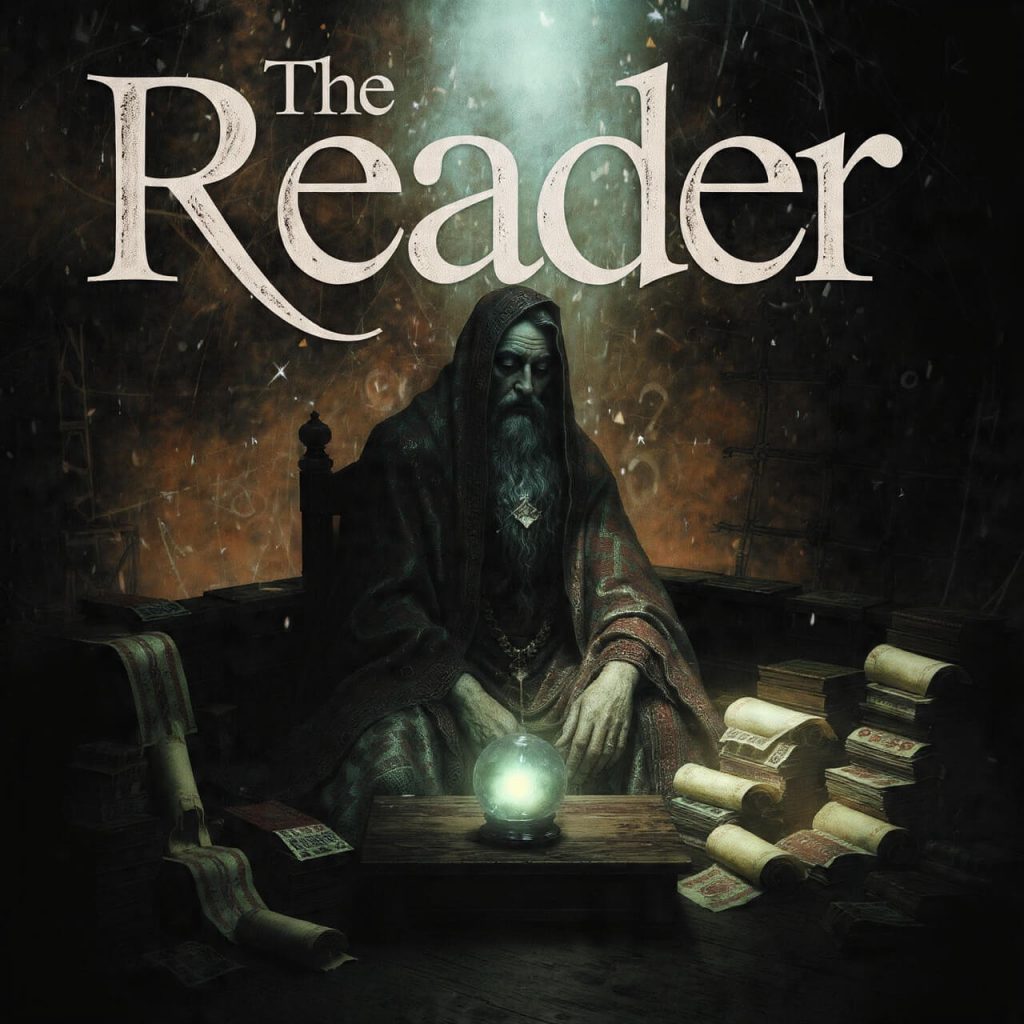
The Reader Tarot Card is not part of the traditional major or minor arcana, yet the concept has become increasingly recognized in modern tarot discussions. It represents the presence, influence, and interpretive lens of the tarot reader themselves—highlighting the dynamic between reader, querent, and card symbolism. In practice, every reading includes an invisible “Reader Card,” even if not physically drawn. It symbolizes intuition, knowledge, emotional resonance, ethical responsibility, and the human element shaping every tarot session.

💜 Need a clear answer right now?
CONSULT THE YES OR NO TAROT Free · No registration · Instant resultUnderstanding the Reader Card helps clarify how interpretation occurs—not as passive delivery of meaning, but as co-created insight between reader and querent. The card symbolizes perspective, bias, emotional attunement, and interpretive structure. Practitioners often encourage querents to refine their questions beforehand—using methods similar to those described in using strategies explained in instant tarot for clearer questions—so the Reader Card becomes a supportive guide rather than an interpretive obstacle.
Understanding the Symbolism Behind the Reader Tarot Card
People often turn to symbolic frameworks such as horoscope insights to reflect on external influences. The Reader Card, however, focuses on interpretive influence—the human factor shaping the reading.
The Reader Card symbolizes:
- intuitive connection
- emotional resonance
- interpretive filters
- ethical choices
- empathetic attunement
- communication style
- personal experience shaping insight
- psychological awareness
Practitioner Insight
Dr. Lena Carrow, tarot symbolism researcher and psychotherapist, explains:
“The Reader Card represents the invisible hand in every reading. Even with objective meanings, interpretation always passes through a human filter—making awareness essential.”
Understanding this card improves objectivity, emotional clarity, and the integrity of interpretation.
The Reader Card in Online Tarot Sessions
Digital environments such as online tarot sessions bring unique qualities to the Reader Card. Online, practitioners rely more heavily on tone, written text, and symbolic structure rather than physical cues.
In online readings, the Reader Card reflects:
- neutrality of written interpretation
- reduced emotional projection
- clearer symbolism due to slower pacing
- structured communication
- transparency in explanation
- narrative logic
Case Study: Clarity Through Distance
Client: navigating emotional conflict with indecision.
Reader approach: structured, written one-card interpretation.
Outcome:
The client appreciated the slow, reflective pace of online reading, which minimized emotional distortion.
The Reader Card symbolizes the practitioner’s clarity and objectivity in this space.
The Reader Card in Video-Based Tarot Sessions
Video readings through video readings allow both participants to see each other, adding visual nuance to the Reader Card’s influence. Body language enhances interpretive accuracy.
The Reader Card in video manifests through:
- empathetic mirroring
- attuned emotional responses
- visible reactions to symbolism
- the ability to perceive micro-expressions
- rapport building
- real-time narrative correction
Practitioner Perspective
Tarot counselor Raven Holt notes:
“The tarot reader doesn’t just interpret cards—they interpret reactions. The Reader Card acknowledges that human connection shapes symbolic understanding.”
Case Example
Client: seeking direction after relocation.
Reader observed: tension easing when discussing self-discovery themes.
Card drawn: The Star
Outcome:
The client recognized their need for hope and reconnection.
The Reader Card acted as emotional bridge.
The Reader Card in Phone Tarot Readings
Voice-only sessions through phone readings emphasize tone, pace, breath, and hesitations. The Reader Card here symbolizes heightened auditory intuition.
The Reader Card in phone readings highlights:
- emotional attunement to tone
- subtle recognition of stress
- ability to decode unspoken truths
- vocal resonance
- safety through anonymity
Case Study
Client: masking overwhelm with humor.
Card drawn: Nine of Swords reversed
Reader noticed: sudden quietness after interpretation.
Outcome:
Client acknowledged hidden stress and found relief in naming it.
The Reader Card functioned as a vocal attunement tool.
The Reader Card in Relationship Readings
In love-focused sessions—similar to themes seen in love tarot readings—the Reader Card becomes especially important. Relationship readings involve strong emotions, vulnerability, and hope. The reader’s neutrality and emotional grounding become central to interpretation.
The Reader Card helps maintain:
- emotional safety
- non-biased interpretation
- realistic perspective
- reduced projection
- recognition of attachment patterns
- honest reflection on internal fears
Case Example
Client: questioning whether to revisit a past relationship.
Card drawn: Six of Cups reversed
Reader insight: nostalgia influencing perception more than reality.
Outcome:
Client reflected deeply instead of acting impulsively.
The Reader Card helped maintain emotional accuracy.
Choosing a Skilled Reader Who Embodies the Reader Card
Not all practitioners interpret with the same depth, ethics, or emotional awareness. Many individuals seek guidance from vetted qualified professionals who demonstrate high interpretive integrity.
A skilled reader embodies the Reader Card by:
- maintaining emotional neutrality
- understanding psychology
- avoiding prediction
- focusing on reflection rather than instruction
- encouraging autonomy
- offering narrative clarity
- grounding symbolic meaning in context
Practitioner Insight
Dr. Carrow states:
“A skilled tarot reader is not a fortune-teller—they are a facilitator of insight. The Reader Card symbolizes that role.”
Practitioner skill defines reading quality.
Working With Reliable Readers Who Interpret the Reader Card Responsibly
Trusted platforms offering reliable readers ensure practitioners uphold ethical standards essential to the Reader Card’s purpose.
Reliable readers excel at:
- interpreting without exaggeration
- respecting boundaries
- supporting, not directing
- asking clarifying questions
- maintaining emotional safety
When the Reader Card is respected, the reading becomes reflective—not deterministic.
Advanced Interpretive Techniques Involving the Reader Card
Modern tarot practitioners use sophisticated frameworks to understand how their presence shapes interpretation.
1. Narrative Positioning
The reader identifies their interpretive stance to avoid projection.
2. Emotional Echo Mapping
The reader ensures their reactions do not overshadow the querent’s.
3. Symbolic Distance Technique
Readers analyze whether their interpretation comes from symbolism, not emotion.
4. Contextual Calibration
Readers match interpretation depth to client readiness.
5. Bias Interruption Protocol
A method for catching assumptions before speaking.
6. Reflective Dialogue
Encourages clients to articulate their own insights.
7. Interpretive Transparency
Readers explain the logic behind their interpretations.
These methods strengthen the Reader Card’s constructive influence.
Case Study #1: Projection vs. Reality
Client: dealing with parental pressure.
Card drawn: The Hierophant
Reader reflection: recognized personal experiences influencing interpretation.
Reader adjusted: focused on the client’s context instead of personal bias.
Outcome:
The reading stayed grounded and accurate.
Case Study #2: Emotional Attunement
Client: wanting clarity about a creative project.
Card drawn: Ace of Wands
Reader noticed: excitement in client’s tone.
Interpretation: validated enthusiasm but explored sustainability.
Outcome:
Client created a balanced plan rather than acting impulsively.
Case Study #3: Ethical Boundaries
Client: asked for prediction about someone else’s feelings.
Reader response: shifted focus to client’s emotional needs.
Card drawn: Page of Cups
Interpretation: explored client vulnerability instead of third-party speculation.
Outcome:
Client gained insight without crossing ethical lines.
Misconceptions About the Reader Tarot Card
Misunderstandings often arise because the Reader Card is conceptual.
“The Reader Card means the reader controls the outcome.”
The reader shapes interpretation, not destiny.
“The Reader Card is a physical card.”
It is a symbolic lens, not a literal deck component.
“The reader’s intuition is magic.”
Intuition is a blend of pattern recognition and empathy.
“A strong reader guarantees accuracy.”
Tarot is reflective, not predictive.
“The reader should stay emotionally detached.”
Attunement—not detachment—is essential.
Table: The Reader Tarot Card and Its Interpretive Dimensions
| Reader Function | Symbolic Role | Impact on Reading |
|---|---|---|
| Emotional Attunement | The Empress | Compassionate clarity |
| Structure & Logic | The Emperor | Interpretive stability |
| Reflective Insight | The High Priestess | Depth and subtlety |
| Ethical Boundaries | Justice | Balance & fairness |
| Narrative Guidance | The Hermit | Perspective & wisdom |
| Communication Style | The Magician | Clarity of expression |
| Intuition | The Star | Integrative understanding |
Final Guidance: Working With the Reader Card in Your Own Tarot Practice
Whether you perform readings yourself or work with a professional, the Reader Card reminds you that tarot is a dialogue—between you, the symbolism, and the human interpreting it. Practitioners often suggest forming clear questions beforehand—using methods similar to those discussed in using strategies explained in instant tarot for clearer questions—to support transparency, emotional grounding, and self-awareness. Understanding the Reader Card empowers you to recognize interpretive influences and deepen your relationship with symbolism.
Frequently Asked Questions
Is the Reader Tarot Card a real card in the deck?
No. It is a conceptual card symbolizing the human influence behind interpretation.
Does the reader control the meaning of the reading?
They guide interpretation, but the symbolism and client experience shape insight.
Can a reading go wrong because of the reader’s bias?
Yes, which is why ethical training and self-awareness are essential.
Do I need a professional for accurate readings?
Professional readers offer structure, but personal insight is equally valid.
Is the Reader Card only for advanced readers?
No. Anyone can use the concept to improve self-awareness.
Can the Reader Card replace intuition?
It balances intuition with clarity, ethics, and reflection.
Does awareness of the Reader Card weaken the mystery of tarot?
It strengthens authenticity by acknowledging the human element.
Conclusion
The Reader Tarot Card symbolizes the interpretive lens, emotional presence, and ethical awareness that shape every tarot session. Rather than diminishing tarot’s value, acknowledging the Reader Card enhances clarity, transparency, and psychological precision.
It transforms tarot into a collaborative process—where symbolism, practitioner sensitivity, and client reflection interact to create meaningful insight. Understanding the Reader Card deepens one’s appreciation of tarot as a reflective and human-centered practice.
