

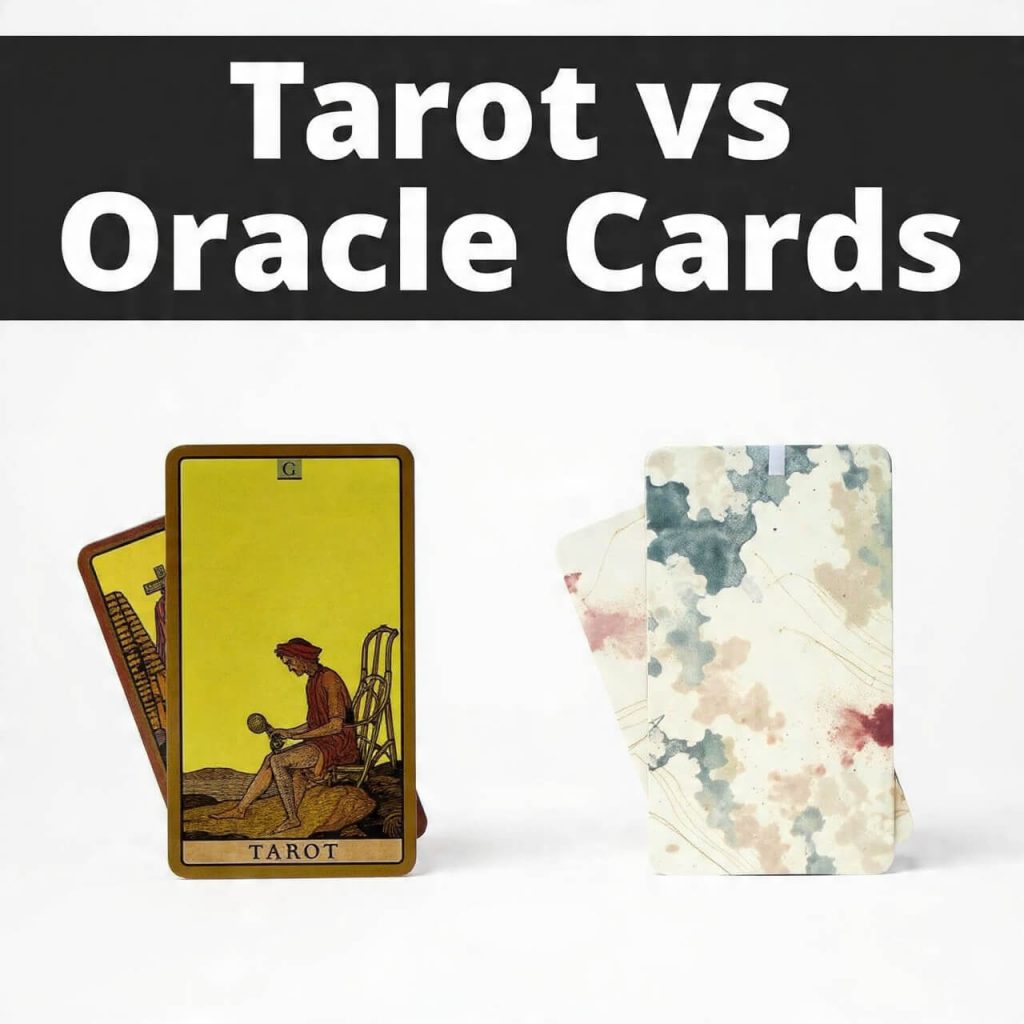
Tarot and oracle cards are two of the most commonly used tools in intuitive and reflective practices. Although some people use these systems interchangeably, they differ significantly in structure, purpose, and style. Tarot follows a defined framework with 78 cards and consistent symbolism, while oracle decks vary widely in structure and tone. Many believe tarot offers deep symbolic layers ideal for detailed reflection, whereas oracle cards provide flexible, uplifting, and intuitive guidance. Understanding these differences helps individuals choose the deck that best supports their questions, comfort level, and goals.

💜 Need a clear answer right now?
CONSULT THE YES OR NO TAROT Free · No registration · Instant resultThis article provides a comprehensive comparison of tarot and oracle cards, including structure, interpretation methods, reading formats, pricing expectations, and ideal use cases. Practitioners suggest that neither system is inherently “better”; each offers unique advantages depending on one’s preferences and emotional needs. For those who enjoy face-to-face readings, both types of decks are commonly offered through local tarot options, often accessible via resources like local tarot options.
Throughout this guide, you’ll find tables, examples, structured explanations, and practical tips to help you understand how both tools work—and how to decide which one aligns with your reflective style.
Understanding Tarot Cards
Structure of a Tarot Deck
Tarot decks traditionally contain 78 cards divided into the Major Arcana and Minor Arcana. Many believe the consistent structure allows for deep symbolic interpretation and long-term study.
What Tarot Readings Offer
Tarot helps explore emotional patterns, decision-making influences, and relationship dynamics. When clients seek more structured relational insight, some also consult resources like love tarot readings.
Key Traits of Tarot
- Highly structured
- Rich symbolism
- Ideal for detailed interpretation
- Strong historical roots
Understanding Oracle Cards
Structure of Oracle Decks
Unlike tarot, oracle decks vary widely. They can contain 20, 40, or 70+ cards, and each deck reflects the creator’s chosen theme.
What Oracle Readings Offer
Oracle readings tend to be intuitive, gentle, and supportive. They often focus on uplifting messages or emotional clarity. Some clients prefer oracle cards when working with sensitive advisors such as reliable readers.
Key Traits of Oracle Cards
- Flexible structure
- Wide thematic variety
- Accessible for beginners
- Message-focused interpretations
Tarot vs Oracle: Side-by-Side Comparison
Major Differences
Tarot is structured, symbolic, and layered, while oracle cards are free-form, thematic, and often simpler to read.
Choosing Based on Personal Style
Many believe tarot suits analytical thinkers, while oracle cards appeal to those seeking gentle emotional guidance.
Table: Tarot vs Oracle Overview
Table 1: Key Differences Between Tarot and Oracle Cards
| Feature | Tarot | Oracle |
|---|---|---|
| Structure | 78 cards | Flexible count |
| Symbolism | Standard system | Unique themes |
| Reading Style | Analytical | Intuitive |
| Best For | Complex insight | Emotional support |
| Learning Curve | Moderate–High | Low–Moderate |
Reading Formats for Tarot & Oracle Sessions
In-Person Sessions
In-person readings with tarot or oracle decks allow clients to visually connect with the imagery and receive personalized interpretation. People who prefer this immersive approach often explore local tarot options, which they can find through guides like local tarot options.
Remote & Online Options
Both tarot and oracle readings work well remotely, especially when clients want flexibility. Tarot spreads are commonly offered through structured services like online tarot sessions.
Format Advantages
- Online: flexible and organized
- Video: visually engaging
- Phone: private and focused
- In-person: grounding
Video & Phone Readings
Clients who prefer visual interaction choose video readings, while those seeking quiet emotional space often prefer voice-only formats like phone readings.
How to Prepare for a Tarot or Oracle Reading
Clarify the Core Intention
Practitioners suggest that both tarot and oracle readings benefit from clear, open-ended questions. Many refine their intentions using strategies found in guides like local tarot options.
Emotional Openness
Reflecting on your emotional state can help you connect deeply with the reading.
Preparation Tips
- Reflect on recent events
- Identify the area you want to explore
- Keep questions open rather than predictive
- Stay open to metaphor and symbolism
When Extra Support Helps
Those with emotionally charged concerns often seek guidance from experienced practitioners, including intuitive advisors such as reliable readers.
How Tarot Is Interpreted
Card Structure & Symbolism
Tarot interpretation relies on card position, symbolic meaning, and relationships between cards. Courtiers, suits, and archetypes offer detailed insights.
What Readers Pay Attention To
Practitioners observe suits, patterns, and recurring symbols. Clients who want structured interpretation often consult experienced practitioners like qualified professionals.
Elements Common in Tarot Interpretation
- Major Arcana as turning points
- Suits representing emotional or practical themes
- Card combinations creating narrative meaning
- Spread position influencing interpretation
How Oracle Cards Are Interpreted
Message-Based Insight
Oracle cards emphasize messages or themes rather than strict symbolism. Many believe they provide emotional clarity in a gentle, supportive way.
Reading Flow
Because oracle decks vary in structure, readers adapt their interpretation to each deck’s theme.
Elements Common in Oracle Interpretation
- Key phrases
- Affirmations
- Thematic imagery
- Emotional resonance
When to Choose Tarot
When You Want Depth
Tarot is ideal when exploring complex decisions or emotional patterns. Some individuals use tarot when seeking long-term symbolic clarity, especially in relationship-based questions.
When You Want Predictable Structure
Tarot offers consistency that can be revisited over time. People exploring timing themes sometimes use additional tools like their horoscope insights.
Ideal Situations for Tarot
- Decision-making
- Relationship exploration
- Personal growth work
- Symbolic reflection
When to Choose Oracle Cards
When You Want Clarity Without Complexity
Oracle cards are ideal when you want a gentle message or emotional reassurance.
When You Prefer Intuitive Flexibility
Oracle decks support free-flowing interpretation, making them suitable for beginners.
Ideal Situations for Oracle
- Emotional grounding
- Daily inspiration
- Self-care practices
- Spiritual reflection
Pricing & Session Considerations
Tarot vs Oracle Pricing
Both types of readings are similarly priced, though tarot may cost slightly more due to depth and time.
Table 2: Typical Pricing for Tarot & Oracle Readings
| Format | Tarot Price | Oracle Price |
|---|---|---|
| Online / Phone | $15–$40 | $15–$35 |
| Video Readings | $25–$60 | $20–$50 |
| In-Person | $30–$80 | $25–$65 |
| Extended Sessions | $60–$120 | $50–$100 |
Duration
Most sessions for either tool last 20–45 minutes, with extended sessions lasting up to an hour.
Accessibility
Remote sessions make both tarot and oracle accessible regardless of location, time, or transportation.
Integrating Tarot & Oracle Insights
Journaling
Many believe journaling helps track personal growth across multiple readings.
Monthly Reflection
Some clients revisit insights in combination with their horoscope insights for deeper context.
Combining Both Tools
Practitioners often blend tarot for structure and oracle cards for emotional clarity.
Helpful Integration Practices
- Review card themes weekly or monthly
- Notice repeating symbols
- Compare tarot depth with oracle messages
- Use annual spreads for long-term reflection
Frequently Asked Questions
Are tarot or oracle cards more accurate?
Neither is inherently more accurate. Effectiveness depends on interpretation, openness, and context.
Do tarot and oracle readings predict the future?
No. They highlight symbolic influences, emotional patterns, and possible directions.
Which is better for beginners?
Oracle cards are often easier to start with, but tarot offers more depth for long-term study.
Can I use both in the same reading?
Yes. Many practitioners combine them for layered insight.
How long does a reading usually take?
Most readings take 20–45 minutes, depending on the spread and question.
Do I need experience to use either tool?
No. Both are accessible to beginners.
Should I prepare questions?
Open-ended questions can improve clarity, but they are not required.
How often should I get readings?
As often as needed—especially during emotional transitions or times of reflection.
Conclusion
Tarot and oracle cards offer different yet complementary approaches to intuitive insight. Many believe tarot is ideal for structured, symbolic exploration, while oracle cards provide flexible, supportive messages that are easy to understand.
This guide outlined the key differences, strengths, ideal use cases, preparation tips, reading formats, and pricing considerations for both systems.
Whether you prefer symbolic depth or gentle guidance, both tools can support emotional clarity, personal growth, and thoughtful decision-making when approached with openness and intention.
Used together or separately, tarot and oracle cards can become powerful companions for self-awareness and reflective exploration.
