

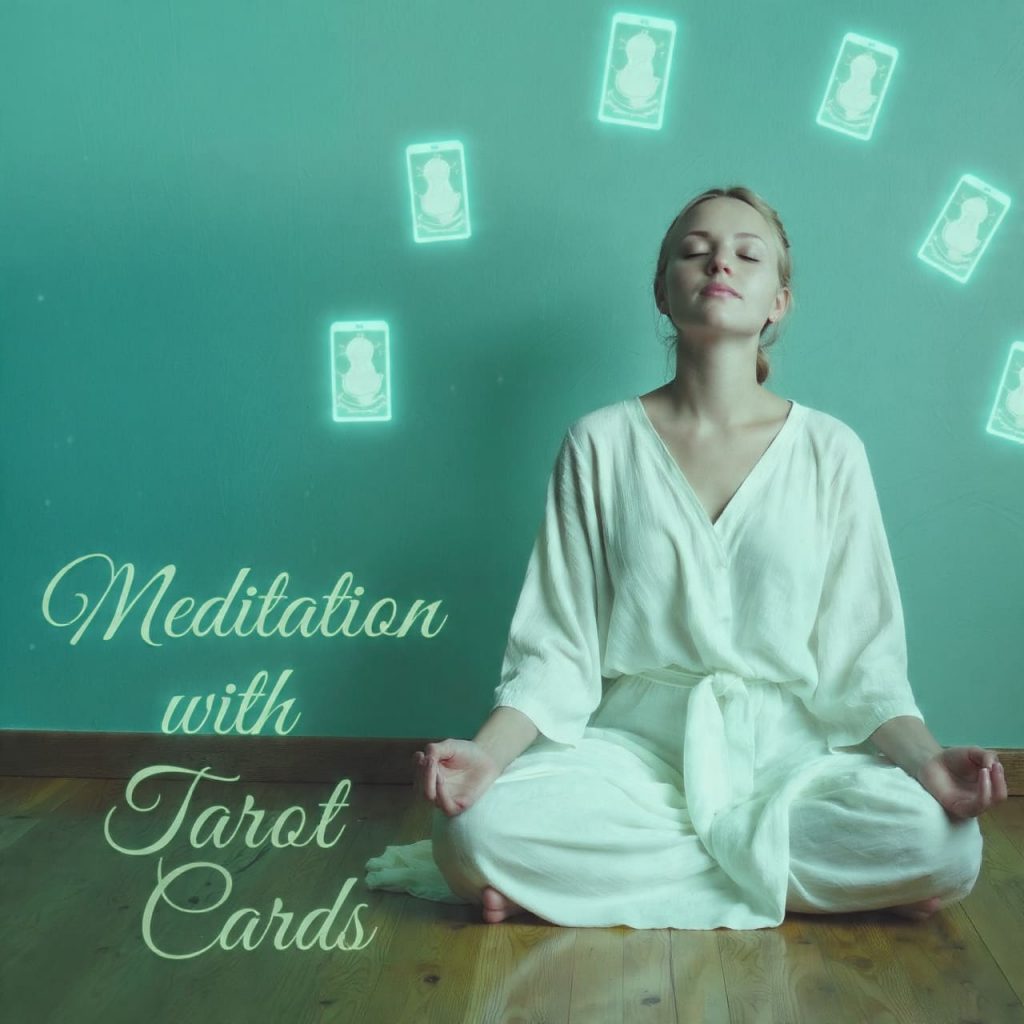
Meditation with tarot cards is a powerful practice that blends mindfulness with symbolic insight, helping individuals explore emotions, clarify intentions, and deepen intuitive awareness. Many believe that pairing tarot with meditation encourages a more grounded and introspective connection to the cards. Practitioners suggest that this approach transforms tarot from a tool of inquiry into a companion for inner stillness and personal growth.

💜 Need a clear answer right now?
CONSULT THE YES OR NO TAROT Free · No registration · Instant resultMeditative tarot work becomes more meaningful when questions or intentions are clear. Some readers refine their reflective prompts using symbolic frameworks inspired by signs Tarot, which helps set focus before beginning meditation. This combination of clarity and mindfulness creates a more intentional and supportive tarot practice.
Why Meditate with Tarot Cards?
Meditation Deepens Card Meaning
Meditation offers time to slow down and observe rather than interpret immediately. Many believe that sitting with a single card allows your intuition to engage more fully with imagery, symbolism, and emotion. Practitioners suggest that this creates space for deeper insights than quick readings, especially when guided with perspective from qualified professionals.
Meditation Enhances Emotional Awareness
Tarot meditation invites grounded reflection on how a card feels rather than what it predicts. This can help bring emotional clarity, especially during times of transition or stress. Many readers find this particularly supportive when exploring relationship themes similar to those in reflective love tarot readings.
Meditation Helps Strengthen Intuition
By focusing on imagery and symbolic details, meditators learn to trust subtle impressions. Practitioners believe this gradually improves intuitive understanding, making tarot readings more fluid and meaningful over time.
The Foundations of Tarot Meditation
Setting Intention
Every meditation benefits from a clear intention. Whether you are seeking emotional clarity, grounding, or a deeper connection to a specific card, intention directs your awareness. Many believe intention acts like a compass, guiding your attention toward meaningful insights.
Choosing the Right Card
Selecting a card for meditation can happen intuitively or through structured draws. Practitioners suggest using cards that resonate with current experiences or questions. Sometimes individuals choose a card connected to moods explored through structured online tarot sessions.
Creating a Calm Environment
Meditation requires focus. Many people use quiet rooms, gentle lighting, or calming sounds. The idea is not to create perfection but to allow the mind to rest enough to explore symbolism without distraction.
Methods of Meditation with Tarot Cards
Visual Meditation
In this method, you gaze at the card and absorb its imagery. Many believe this expands your relationship to symbolism by allowing details to emerge gradually.
Guided Tarot Meditation
This method brings narrative or visualization into the meditation. Practitioners guide the seeker through imagined landscapes or conversations inspired by the card’s imagery—an approach often supported in reflective video readings.
Intuitive Free Meditation
This method allows thoughts to flow without structure. You simply sit with the card and let impressions, emotions, or insights arise organically.
Major Arcana in Meditation
The Fool
This card often brings themes of trust, curiosity, and new beginnings. Many believe meditating on The Fool encourages openness to potential and a playful approach to growth.
The High Priestess
A favorite for meditation, the High Priestess invites introspection, intuition, and quiet wisdom. Practitioners suggest that her imagery encourages deeper connection to inner knowledge, making her ideal for spiritual exploration.
Strength
Meditating on Strength often reveals lessons about patience, compassion, and inner resilience. Many readers associate this card with emotional maturity and grounded confidence, themes often explored alongside symbolic insight from phone readings.
Minor Arcana in Meditation
Wands: Creative Meditation
Wands invite exploration of passion, motivation, and energy flow. Many believe these cards stimulate creativity and inspiration during meditation.
Cups: Emotional and Heart-Centered Meditation
Cups cards are ideal for emotional healing, reflection, and connection. Practitioners suggest these meditations help soothe the heart and promote emotional clarity, especially during relational cycles explored through reliable readers.
Swords: Mental Clarity Meditation
Swords help uncover thought patterns and reveal areas where clarity or release is needed. Many believe meditating on Swords cards encourages breakthroughs in problem-solving and communication.
Pentacles: Grounding Meditation
Pentacles support grounding, practical decision-making, and long-term focus. Practitioners see Pentacle meditations as stabilizing and helpful during periods requiring patience or planning.
Meditation Techniques for Tarot Practitioners
The Single-Card Immersion
Sit with one card and observe every detail—colors, symbols, expressions, posture, and background. Many believe this increases symbolic fluency.
The Three-Stage Breath + Tarot Method
- Breathe deeply to center yourself.
- Focus on the card’s imagery as you inhale.
- Observe your reactions as you exhale.
Practitioners suggest this technique reduces overthinking and strengthens intuitive connection.
The Narrative Journey
Imagine stepping inside the card and exploring the environment. Many people describe surprising insights emerging from this imaginative interaction, similar to reflective meditations popular within symbol-focused horoscope insights interpretations.
Card Combinations for Meditation Themes
Healing and Renewal
- The Star + Ace of Cups – Emotional soothing and hope
- Temperance + Four of Swords – Rest and recalibration
Grounding and Stability
- The Emperor + Seven of Pentacles – Patience, discipline, and structure
- Queen of Pentacles + Justice – Balance in material and personal responsibilities
Creativity and Inspiration
- Ace of Wands + The Magician – New ideas with intentional action
- Page of Wands + The Sun – Joyful exploration and curiosity
How Meditation Supports Tarot Readings
Strengthens Intuition
Meditation improves your ability to sense subtle messages in the cards. Many readers believe this creates more fluid and confident readings.
Reveals Emotional Layers
Meditation can help uncover emotions that may influence interpretations. Practitioners emphasize that tarot becomes clearer when emotional clutter is reduced.
Encourages Mindful Interpretation
Meditation slows the reading process, reducing anxious interpretation habits and promoting grounded insight.
Integrating Meditation into Daily Tarot Practice
Morning Meditation
Begin the day with a card that sets the tone. This helps align your mindset before responsibilities begin.
Evening Reflection
Use a card to review emotional patterns or decisions made throughout the day.
Weekly Themes
Choose a single card to meditate on throughout the week. Many believe this deepens understanding significantly.
Monthly or Seasonal Cycles
Meditate on cards aligned with seasons or monthly energies. Structured approaches inspired by signs Tarot can help select meaningful focus points.
Practical Applications of Tarot Meditation
For Stress Relief
Cards such as The Star or Four of Swords support calming practices.
For Emotional Healing
Cups cards help explore unresolved feelings in a gentle, reflective way.
For Decision-Making
Swords cards can reveal clarity, strategy, and mental direction.
For Creative Projects
Wands cards help stimulate imagination and purposeful action.
For Spiritual Growth
Major Arcana cards support deep introspection and symbolic understanding.
Meditation Table: Tarot Cards and Their Focus Areas
| Card or Suit | Meditation Theme | Interpretation Focus |
|---|---|---|
| High Priestess | Intuition | Inner wisdom |
| Strength | Emotional resilience | Compassionate power |
| Star | Peace | Healing + calm |
| Wands | Creativity | Inspiration |
| Cups | Emotional insight | Heart-centered clarity |
| Swords | Mental clarity | Thought awareness |
| Pentacles | Grounding | Practical stability |
Key Benefits of Meditation with Tarot
- Deepens intuitive connection
- Enhances emotional awareness
- Creates calm and mental clarity
- Supports mindful intention-setting
- Strengthens symbolic understanding
- Promotes personal and spiritual growth
Steps for Practicing Tarot Meditation
- Choose a card intentionally.
- Sit comfortably and breathe deeply.
- Observe colors, symbols, and emotional impressions.
- Let thoughts arise without judgment.
- Reflect on insights after meditation.
- Record impressions in a journal.
Common Mistakes in Tarot Meditation
- Expecting instant insight
- Overthinking card meaning
- Rushing the process
- Meditating while emotionally overwhelmed
- Forcing interpretations rather than observing them
Frequently Asked Questions
How long should I meditate with a tarot card?
Most people meditate for 5–15 minutes, but any duration is acceptable.
Can beginners meditate with tarot?
Yes. Meditation simplifies tarot learning by encouraging intuitive understanding.
Should I use upright or reversed cards in meditation?
Either works. Use whichever resonates with your practice.
Is tarot meditation spiritual or psychological?
It can be either or both, depending on your personal approach.
Do I need special tools to meditate with tarot?
No. A quiet space and a chosen card are enough.
Can meditation replace tarot readings?
Meditation enhances readings but does not replace structured interpretation.
Conclusion
Meditation with tarot cards transforms symbolic imagery into a powerful mindfulness tool. Many believe this practice deepens intuition, clarifies emotions, and encourages reflective awareness. Practitioners suggest that when tarot meditation becomes a consistent habit, it supports emotional balance, personal insight, and spiritual exploration.
By blending intention, imagery, and stillness, tarot meditation allows individuals to understand themselves more deeply and connect with the symbolic language of the cards. Whether used daily, weekly, or during times of transition, tarot meditation creates a grounded path toward clarity, healing, and growth.
