

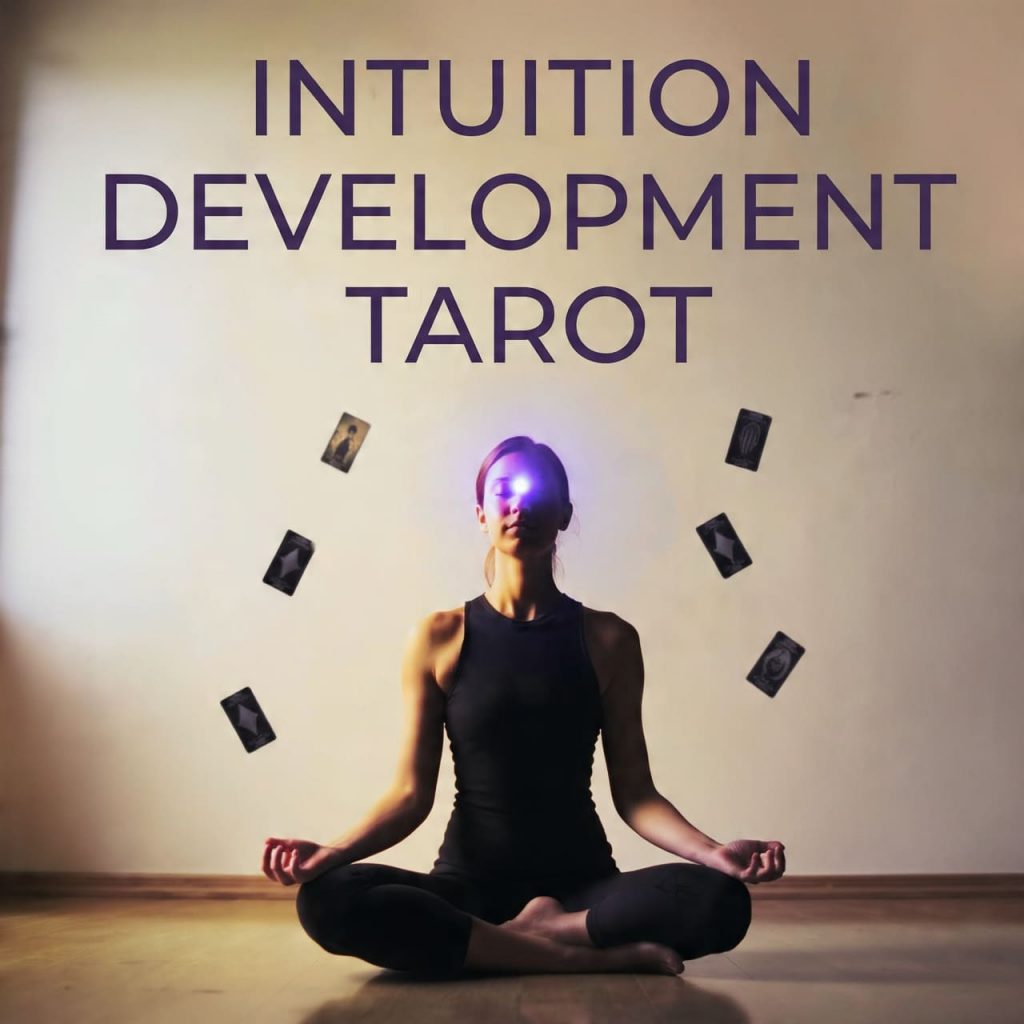
Intuition is often described as a sudden knowing, a gut feeling, or a quiet inner signal that does not rely on logic alone. For many people, this inner guidance feels inconsistent—sometimes clear, sometimes absent, sometimes drowned out by fear or overthinking. An Intuition Development Tarot Reading does not turn a person into a psychic overnight, nor does it guarantee flawless decisions. Instead, it offers a structured, reflective way to explore how intuition currently operates, what blocks or distorts it, and how inner listening can become steadier and more trustworthy over time.

💜 Need a clear answer right now?
CONSULT THE YES OR NO TAROT Free · No registration · Instant resultPeople seek intuition-focused tarot for many reasons: chronic self-doubt, overthinking, difficulty trusting decisions, emotional overwhelm, spiritual curiosity, or a desire to feel more aligned with their inner compass. These readings are not about predicting the future. They are about understanding how inner awareness works right now.
Rather than portraying intuition as mystical perfection, tarot reframes it as a human capacity that strengthens through awareness, emotional regulation, and self-trust.
What Intuition Really Means in Daily Life
Intuition is not the opposite of thinking. It is the integration of perception, emotion, memory, and subtle awareness that forms an immediate sense of direction. Some people reflect on intuitive timing through symbolic frameworks such as horoscope insights, but tarot focuses more directly on how intuitive signals are experienced internally, moment by moment.
Instead of asking, “Am I intuitive?” deeper work explores:
- When do I doubt my inner voice the most?
- What emotion is strongest when I feel intuitive?
- When has intuition been overridden by fear or logic?
- What helps me feel internally aligned?
Common Signs That Intuition Feels Blocked
- Chronic overthinking
- Fear of making mistakes
- Emotional overwhelm
- Conflicting inner signals
- Dependence on external validation
Tarot reframes these not as flaws, but as signals that intuition is competing with survival-based fear.
How an Intuition Development Tarot Reading Is Structured
An intuition development tarot reading is structured around self-awareness, emotional clarity, perception, and trust, not supernatural ability.
Most intuition-focused readings explore three essential layers:
- How intuition currently communicates
- What interferes with intuitive awareness
- What strengthens inner listening
Clear and grounded inquiry matters deeply. Many practitioners shape this process using reflective approaches similar to those described in spanish tarot for clearer questions, helping people distinguish between intuition, fear, and wishful thinking.
Common Reflective Spread Themes
- Inner signal – Emotional interference – Trusted response
- Intuition strength – Intuition block – Intuition practice
- Mental noise – Emotional clarity – Inner confirmation
What These Readings Intentionally Avoid
- Declaring someone “fully intuitive”
- Promising psychic ability
- Treating intuition as infallible
- Ignoring emotional reality
The goal is reliable inner awareness, not spiritual performance.
Emotional and Psychological Roots of Intuitive Awareness
Intuition often weakens not because it is absent, but because it is overshadowed. Tarot frequently reflects that intuitive interference grows from:
- Chronic anxiety
- Fear of being wrong
- Childhood invalidation
- Trauma-related hypervigilance
- Emotional suppression
When someone grew up being told their feelings were unreliable, intuition often learned to stay quiet. Tarot does not “activate” intuition magically—it helps rebuild permission to trust internal experience.
Intuition also struggles when emotional overwhelm dominates the nervous system. A dysregulated emotional state often feels like intuition because both are intense. Tarot helps separate true inner guidance from reactive emotion.
Common Tarot Cards Seen in Intuition Development Work
Many people explore intuition strengthening through online tarot sessions, where they begin to recognize repeating inner signals over time.
Cards That Commonly Appear in Intuition Work
- The High Priestess – Inner knowing and silence
- The Moon – Emotional perception and confusion
- The Hermit – Solitude for clarity
- Queen of Cups – Emotional intuition
Cards That Reflect Intuition Block Patterns
- Eight of Swords – Mental overthinking
- Seven of Cups – Confusion and mixed signals
- The Devil – Fear distorting perception
- Five of Pentacles – Doubt and inner scarcity
These cards reflect how intuition functions emotionally, not supernatural status.
Visual Interpretation and Strengthening Inner Listening
Some people find intuitive understanding strengthens when they can observe insight unfolding symbolically. Reflective interpretation through video readings allows tone, pacing, and visual imagery to support recognition of subtle inner signals.
When Visual Formats Feel Especially Helpful
- When intuition feels faint or confusing
- When emotions override logic
- When overthinking blocks clarity
- When self-trust feels fragile
Visual interpretation can help intuition feel recognized rather than questioned.
Quiet Reflection and Solo Intuitive Practice
Developing intuition often requires privacy and emotional safety. Many people prefer reflective sessions through phone readings, where they can speak about inner signals without feeling observed.
Who Often Prefers Private Intuition Work
- Highly sensitive individuals
- Overthinkers
- People rebuilding self-trust
- Those exploring intuition quietly
Privacy allows intuition to grow without performance pressure.
Love, Relationships, and Intuition
Intuition is deeply tested in relationships. Many people sense emotional truth long before they consciously accept it. Some individuals first explore intuitive signals through love tarot readings, but responsible interpretation never replaces communication with assumptions.
Relationship Situations That Challenge Intuition
- Ignoring red flags
- Doubting emotional instincts
- Over-rationalizing behavior
- Confusing hope with intuition
- Staying despite repeated inner discomfort
Tarot reframes intuition as information, not command—something to be listened to, not blindly obeyed or ignored.
Ethics, Emotional Health, and Responsible Intuition Development
Intuition development is closely tied to mental and emotional health. Anxiety, trauma, and depression can distort perception and mimic intuitive urgency. Ethical tarot work acknowledges these boundaries. Many people strengthen their intuitive clarity alongside support from qualified professionals when emotional overwhelm interferes with perception. Others seek grounded reflection from reliable readers to avoid misinterpreting fear as spiritual guidance.
Grounded inquiry remains essential in intuition work, and many practitioners again return to reflective frameworks similar to those described in spanish tarot for clearer questions, ensuring that intuition is refined rather than amplified blindly.
What an Intuition Development Tarot Reading Commonly Explores
| Focus Area | What the Reading Reflects |
|---|---|
| Inner Signal | How intuition currently communicates |
| Emotional Interference | Fear, anxiety, wishful thinking |
| Mental Noise | Overthinking and doubt |
| Self-Trust | Confidence in personal perception |
| Strengthening Practice | What deepens intuitive awareness |
Key Benefits of Intuition Development Tarot Reflection
- Strengthens self-trust
- Reduces overthinking
- Clarifies emotional perception
- Supports grounded decision-making
- Increases inner confidence
- Encourages emotional regulation
Frequently Asked Questions
Does intuition tarot make someone psychic?
No. It strengthens personal awareness and self-trust, not supernatural powers.
Can intuition ever be wrong?
Yes. Intuition can be influenced by fear, trauma, and emotional bias.
Is intuition stronger in some people than others?
Everyone has intuition, but sensitivity and self-trust vary.
Can tarot replace rational decision-making?
No. Tarot supports awareness but does not replace logic or responsibility.
Why do I confuse anxiety with intuition?
Because both create urgency. Differentiating them takes practice and emotional clarity.
Conclusion
An Intuition Development Tarot Reading is not about awakening hidden powers or proving spiritual ability. It is about learning how to listen to the quiet intelligence that already lives within emotional awareness, memory, and perception. Intuition grows not through force, but through patience, self-regulation, and trust.
Tarot does not create intuition. It reflects how intuition currently moves through the emotional system—where it is strong, where it is clouded, and where it is slowly becoming clearer. When approached with responsibility, ethical grounding, and emotional honesty, intuition tarot becomes not a promise of certainty, but a steady companion in learning how to trust your inner voice without losing your grounding in reality.
