

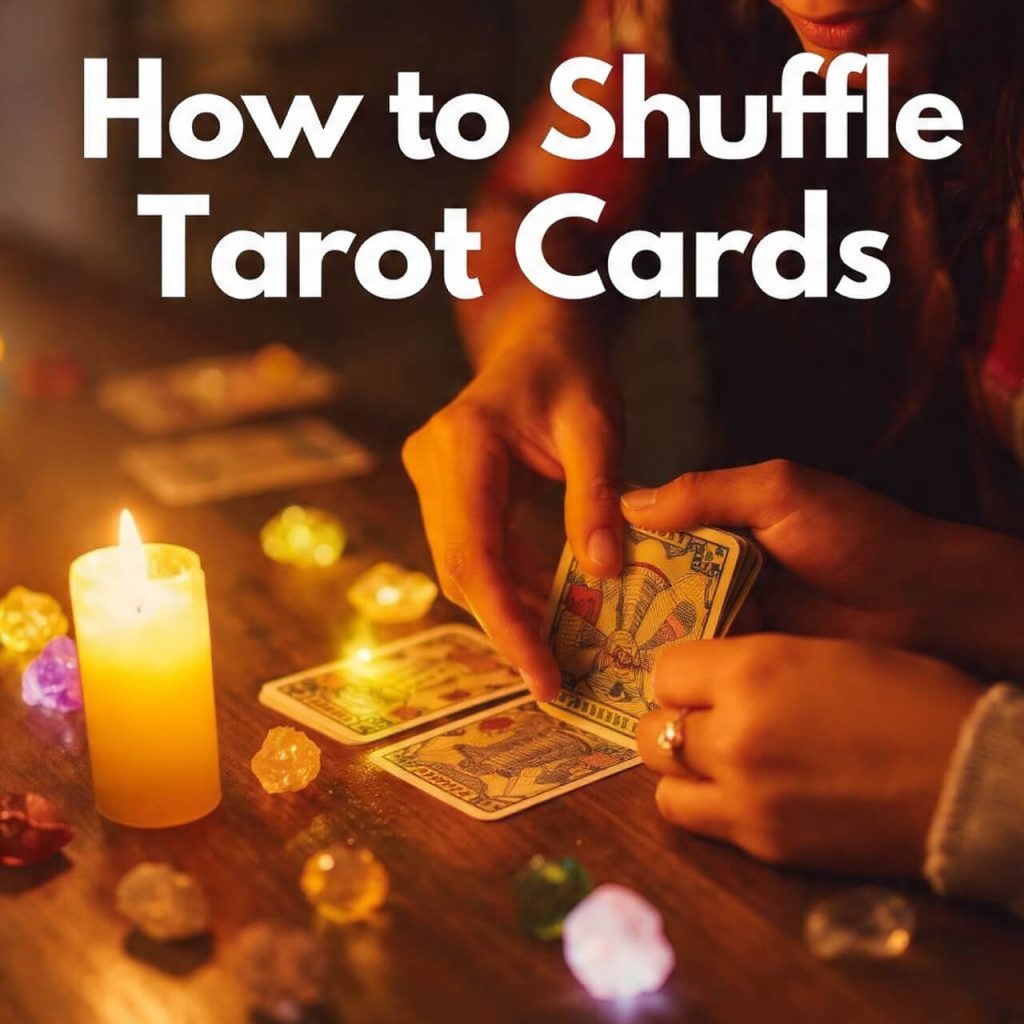
Shuffling tarot cards is one of the most important rituals in any reading. While it may look simple, the process carries symbolic significance. Many believe shuffling helps clear previous energy, align intentions, and create an open channel for intuitive insight. Whether you are a beginner or an experienced reader, learning how to shuffle tarot cards properly can enhance clarity, emotional grounding, and connection with the deck.

💜 Need a clear answer right now?
CONSULT THE YES OR NO TAROT Free · No registration · Instant resultTarot practitioners often emphasize that there is no single “correct” method. Instead, the most effective shuffle is one that feels comfortable, mindful, and aligned with your intention. This guide provides a comprehensive overview of shuffling methods, energy-clearing practices, intention-setting, and mistakes to avoid. It includes structured explanations, tables, lists, and tips for both beginners and advanced readers.
For those who enjoy face-to-face demonstrations of shuffling techniques, many communities offer practical local tarot options, often shared through guides like local tarot options. This in-depth article will walk you through several approaches so you can choose a method that enhances your personal reading style.
Why Shuffling Matters in Tarot
Symbolic Energy Reset
Many believe shuffling “resets” the deck by breaking old energetic patterns and preparing it for a new question or reading.
Creating a Connection
Practitioners suggest that touching and moving the cards helps you connect with your intuition and the symbolic language of tarot. Some people exploring emotional or romantic topics pair their sessions with broader tools such as love tarot readings.
What Shuffling Helps Achieve
- Aligns intention
- Clears energetic residue
- Creates focus
- Supports intuitive flow
Types of Tarot Readers and Shuffling Expectations
Independent Intuitive Readers
Independent readers often develop unique shuffling rituals based on personal preference. Those who prefer structured instruction sometimes seek guidance from experienced individuals such as qualified professionals.
Studio & Wellness Readers
Readers who work in holistic centers often blend shuffling with grounding practices such as breathwork or meditation.
Reader Comparison Table
Table 1: Reader Types & Their Shuffling Styles
| Reader Type | Shuffling Style Tendencies | Considerations |
|---|---|---|
| Independent Readers | Personalized & intuitive | Highly variable |
| Studio Readers | Ritualized, calming | May follow set techniques |
| Remote Readers | Practical methods | Less tactile demonstration |
Common Shuffling Techniques for Tarot
Overhand Shuffle
This method is beginner-friendly and gentle on cards.
Riffle Shuffle
Similar to playing cards, this method splits the deck and interlaces both halves. Many believe it offers a strong energetic reset but must be done gently to avoid card damage.
Hand-Mixing Method
Cards are placed on a flat surface and mixed loosely with both hands.
Benefits of Each Method
- Overhand: Soft and intentional
- Riffle: Fast and thorough
- Hand-mix: Energetic cleansing and neutralizing
When Using Riffle Shuffling
If you use riffle shuffling during online sessions, especially those performed through online tarot sessions, it’s helpful to use a soft matte surface to protect cards from bending.
How to Prepare Before Shuffling
Set a Clear Intention
Before shuffling, many suggest thinking about your question or emotional concern. This is especially useful when exploring relationships or communication patterns. Some individuals refine their questions using strategies also taught in resources like local tarot options.
Clear the Energy of the Deck
Energy-clearing rituals are optional but widely used. You can clear energy by tapping the deck, passing it through incense smoke, or simply focusing your breath.
Preparation Tips
- Hold the deck for a moment
- Take 2–3 deep breaths
- Think about your question
- Release expectation of prediction
Emotional Holding Space
Individuals dealing with sensitive questions sometimes seek gentle, grounding guidance from practitioners like reliable readers for deeper emotional support.
Step-by-Step Guide to Shuffling Tarot Cards
Step 1: Calm Your Mind
Take a breath and center your focus. Many believe this aligns your intuition with the deck.
Step 2: Choose Your Technique
Pick overhand, riffle, or hand-mix based on comfort and card durability.
Step 3: Hold Your Question Lightly
Do not fixate on an outcome. Instead, practitioners suggest focusing on your emotional intention.
Example Questions to Hold While Shuffling
- “What insight do I need today?”
- “What influences my current challenge?”
- “How can I approach this situation?”
Step 4: Shuffle Until It Feels “Right”
Some readers shuffle for a set number of times. Others stop when they feel a pause or intuitive cue.
Step 5: Cut the Deck
Cutting is optional. Many people cut the deck into two or three piles before drawing cards.
Step 6: Draw With Intention
Draw from the top, middle, or wherever you feel led.
Shuffling During Different Reading Formats
In-Person Sessions
Shuffling may include grounding rituals like candles, crystals, or breathwork.
Video Readings
During visual sessions, many clients enjoy watching the cards being shuffled. These sessions are often accessed through video readings.
Online or Chat-Based Readings
Readers typically shuffle more prominently since the client cannot physically interact.
Phone Sessions
For voice-only readings—such as those done through phone readings—some readers shuffle slower to create an atmosphere of calm.
Format Considerations
- Video: Viewer can observe shuffle
- Online: Reader must be transparent in method
- Phone: Pace and sound become important
- In-person: Client may shuffle themselves
Common Mistakes to Avoid When Shuffling
Rushing the Process
Many believe shuffling is part of the reading ritual; rushing may disconnect you from intention.
Focusing on Outcomes
Avoid trying to “force” an answer through shuffling. Tarot works symbolically, not predictively.
Being Too Rough on Cards
Overly forceful riffle shuffling may bend or mark the deck.
Mistakes to Avoid
- Overthinking
- Ignoring intuition
- Using bent or damaged cards
- Shuffling while distracted
Advanced Shuffling Rituals & Techniques
Elemental Shuffling
Some readers use symbolic elements to clear and prepare the deck—air (breathing), water (imagery), fire (candlelight), earth (grounding hands).
Cycled Shuffling
A method where readers shuffle in cycles (e.g., overhand → mix → riffle) to reset the energy thoroughly.
Shuffling for Relationship Readings
Readers exploring romantic questions often refine their shuffling ritual. Some practitioners incorporate themes frequently used in love tarot readings, focusing on emotional openness and clarity.
Advanced Ritual Ideas
- Light a candle before shuffling
- Pair shuffling with breath cycles
- Knock once on the deck to reset energy
- Hold the deck against your heart
Tarot Deck Care for Better Shuffling
Protecting the Cards
Use a drawstring bag, tarot cloth, or wooden box to maintain card quality.
Cleaning & Refreshing the Deck
Some people place crystals nearby or sage the reading area, while others prefer simple intention-setting.
Rotating Decks
Many believe rotating between decks prevents energetic stagnation.
Deck Care Tips
- Store cards away from moisture
- Avoid dropping or bending
- Clean hands before shuffling
- Use a soft surface for riffle shuffles
Shuffling for Different Types of Readings
Daily Readings
Simple overhand shuffling works well for everyday clarity.
Emotional or Relationship Readings
Use slower, more mindful shuffling. Many believe emotional questions require deeper grounding.
Career or Decision-Making Readings
Neutral shuffling methods like hand-mixing may help maintain objectivity.
Spiritual Readings
Some individuals combine tarot with symbolic tools such as their broader horoscope insights to explore timing or energy cycles.
Reading Type → Recommended Shuffle Method
- Daily Pull: Overhand
- Emotional: Slow overhand
- Career: Hand-mix
- Deep Insight: Combination techniques
Pricing, Teaching Sessions & Learning Opportunities
What It Costs to Learn Shuffling Techniques
Some readers offer training sessions for beginners.
Table 2: Learning Session Pricing (2026)
| Session Type | Average Cost |
|---|---|
| Quick Shuffling Tutorial | $10–$25 |
| Full Beginner Tarot Class | $40–$85 |
| Advanced Tarot Technique Workshop | $60–$120 |
| Private Mentoring | $80–$150 |
Learning Through Remote Readers
Some learners prefer watching shuffling during online tarot sessions.
In-Person Instruction
Learning shuffling directly from a reader can feel grounding, especially through local tarot options in your area.
Frequently Asked Questions
How long should I shuffle tarot cards?
Shuffle until you feel intuitively ready. Some readers prefer a set number of shuffles, while others stop when a moment of clarity occurs.
Can someone else shuffle my cards?
Yes. Some believe this introduces new energy, while others prefer to shuffle their own deck for clarity.
Should I think about my question while shuffling?
Many people hold their question lightly as they shuffle, but you don’t need to focus intensely.
Do I need a ritual before shuffling?
No. Rituals are optional. What matters most is intention and presence.
Can shuffling influence my reading?
Shuffling sets the tone and clears energy, but it does not determine outcomes. The cards reflect symbolic themes.
Should beginners use riffle shuffling?
Beginners can use any method, though riffle shuffling may wear out cards faster.
Do different readings require different shuffling techniques?
Some readers adjust technique based on the emotional tone, but it’s not required.
Can damaged cards affect my reading?
Not symbolically, but bent cards may be easier to identify during shuffling, which can affect neutrality.
Conclusion
Shuffling tarot cards is more than a mechanical task—it’s a grounding ritual that helps prepare your mind, clear energy, and align your intention with the reading. While tarot does not rely on precision shuffling or strict rules, many believe the process helps deepen intuition and create a meaningful emotional connection with the cards. Whether using overhand, riffle, hand-mix, or a combination method, what matters most is mindfulness, consistency, and comfort.
This guide explored beginner and advanced techniques, preparation steps, common mistakes, deck care, and format-specific shuffling practices. By choosing a method that feels natural and intentional, you can create a strong foundation for insightful and emotionally grounded tarot readings.
