

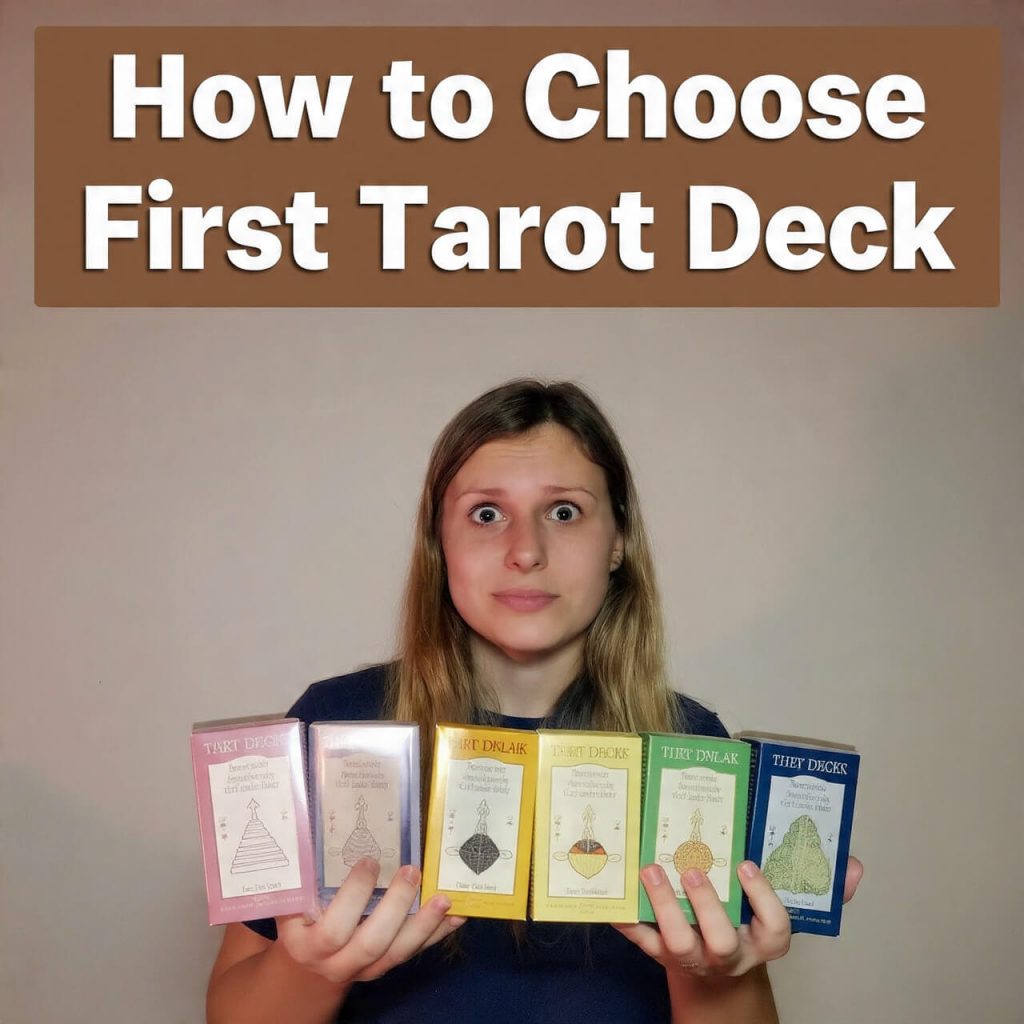
Choosing your first tarot deck can feel like stepping into an entirely new world. With dozens of options, different artistic styles, and diverse traditions, the process can feel overwhelming. Many believe that selecting the right deck is foundational for developing your intuition, enhancing your readings, and building confidence as a tarot reader.

💜 Need a clear answer right now?
CONSULT THE YES OR NO TAROT Free · No registration · Instant resultThis guide explores everything you need to consider when choosing your first tarot deck—from deck types, symbolism, and aesthetics to reading formats, pricing, and practical tips. Additionally, strategies explained in local tarot options will help you ask clearer questions, enhancing the accuracy of your initial readings.
Why Choosing the Right First Deck Matters
Your first deck will shape your understanding of tarot for years to come. Traditional decks, like Rider Waite, provide clear symbolism and structure, while modern decks offer contemporary art and intuitive approaches. Many practitioners suggest that connecting emotionally and visually with a deck ensures a stronger intuitive bond, which is essential for accurate and meaningful readings.
Additionally, a deck that resonates personally encourages consistent practice. Whether your focus is love, personal growth, or career guidance, selecting a deck that feels “right” helps you develop confidence and trust in your interpretations.
Types of Tarot Decks
Traditional Decks
Traditional decks follow classical archetypes and symbolism. The most famous example is the Rider Waite Tarot, which features 78 cards divided into Major and Minor Arcana.
- Major Arcana: 22 cards representing life lessons, spiritual growth, and significant experiences.
- Minor Arcana: 56 cards divided into four suits (Cups, Wands, Pentacles, Swords) that reflect daily life, emotions, actions, and intellect.
Many believe traditional decks are ideal for beginners because they provide clear visual cues and established interpretations that are widely documented in guides and literature.
Modern Decks
Modern decks often reinterpret classical symbolism to align with contemporary culture and values. These decks may include:
- Diverse representation (gender, ethnicity, age)
- Minimalist or abstract artwork
- Themed decks focused on mindfulness, love, or personal empowerment
Modern decks are excellent for intuitive learners, creative readers, or those seeking a deck that speaks to specific emotional or relational themes. For love readings specifically, consulting love tarot readings can reveal how modern decks capture relational nuances.
Hybrid and Specialty Decks
Some decks combine traditional and modern elements, creating versatile tools that cater to multiple reading styles. Specialty decks often focus on particular themes, such as astrology, mythology, or spiritual guidance.
Practitioners often suggest trying sample cards or exploring deck previews online before committing to a purchase. Visiting qualified professionals can also provide insight into which decks align with your reading goals.
What to Consider When Choosing Your First Deck
Choosing a deck involves more than visual appeal. Consider the following factors:
Artwork and Style
The illustrations are the first thing you will notice. Many believe that a deck’s artwork must resonate with you emotionally. Traditional decks offer classic symbolism, while modern decks may provide vibrant, abstract, or culturally diverse imagery.
Size and Quality
Card size affects ease of handling. Beginners may prefer standard-sized cards that are easy to shuffle and lay out in spreads. Quality matters, too—thicker cardstock resists wear and improves durability.
Guidebook or Companion Material
Some decks come with comprehensive guidebooks, while others provide minimal instructions. A good guidebook is especially useful for beginners, explaining card meanings, spreads, and practical reading tips.
Theme and Purpose
Choose a deck that aligns with your reading goals. Love readings, spiritual guidance, career focus, or self-reflection may benefit from themed decks, while versatile decks allow for broader applications.
For relational readings or compatibility questions, combining your deck with insights from horoscope insights can add valuable context to the interpretations.
Preparing to Use Your First Deck
Clearing and Charging Your Deck
Many practitioners recommend cleansing a new deck to remove any residual energies from production or handling. Common techniques include:
- Passing cards through incense smoke
- Placing them under the moonlight
- Storing them with crystals
Charging the deck with your energy and intention is believed to strengthen your intuitive connection and accuracy in readings.
Establishing a Practice Routine
- Set aside time daily or weekly to practice readings.
- Keep a tarot journal to record interpretations, questions, and insights.
- Start with simple spreads before attempting complex layouts.
Practicing consistently helps you build confidence and deepen your understanding of the deck’s symbolism.
Popular Decks for Beginners
Here are several decks frequently recommended for first-time tarot readers:
- Rider Waite Tarot: The classic beginner-friendly deck with clear symbolism.
- Modern Witch Tarot: Contemporary art with inclusive representation.
- Wild Unknown Tarot: Minimalist animal imagery to enhance intuitive reading.
- Shadowscapes Tarot: Watercolor illustrations ideal for imaginative and introspective readings.
Many suggest exploring sample cards or visiting a local store to see which deck resonates personally. Strategies explained in local tarot options can guide you in framing your first questions for a more meaningful experience.
Formats for First Tarot Readings
In-Person Readings
Face-to-face sessions allow physical interaction with the deck, which many believe strengthens intuitive understanding. Working with reliable readers can help beginners gain confidence and interpretive skills.
Online Tarot Sessions
Online tarot sessions provide convenient access to professional guidance, ideal for remote learners or those seeking flexible practice schedules.
Phone and Video Readings
- Phone readings provide detailed discussion without visual distractions, ideal for sensitive topics. Phone readings allow beginners to focus on intuitive interpretation.
- Video readings let you view the cards clearly and follow the reader’s gestures. Video readings enhance connection and clarity.
Pricing and Deck Options
Investing in your first deck and sessions can vary in cost, but it’s worthwhile for building foundational skills.
Table 1: Typical Prices for Beginner Tarot Readings
| Format | Price Range | Duration |
|---|---|---|
| Online chat | $10–$30 | 10–20 min |
| Video call | $25–$60 | 20–40 min |
| Phone reading | $15–$45 | 15–30 min |
| In-person session | $40–$80 | 30–60 min |
Table 2: Beginner Deck Options
| Deck | Features | Best For |
|---|---|---|
| Rider Waite | Classic symbolism, clear guide | Structured learning & beginners |
| Modern Witch | Contemporary, inclusive | Intuitive & relational readings |
| Wild Unknown | Minimalist, intuitive | Personal growth & introspection |
| Shadowscapes | Watercolor, mythological | Imaginative & creative learning |
Many practitioners emphasize that price reflects session length, deck specialization, and the reader’s experience.
Practical Tips for Using Your First Deck
- Select a deck that resonates emotionally and visually.
- Shuffle mindfully, focusing on your question or intention.
- Keep a tarot journal to document spreads, insights, and patterns.
- Start with simple, one- or three-card spreads before attempting complex layouts.
- Combine intuition with guidebook interpretations for richer guidance.
For love-focused questions, integrating your deck with love tarot readings can provide deeper insights into emotional and relational patterns.
Benefits of Starting with the Right Deck
- Builds confidence in intuitive interpretation
- Strengthens emotional and spiritual connection with the cards
- Provides structured guidance for learning card meanings and spreads
- Supports diverse reading styles, from daily guidance to complex decision-making
- Enhances accuracy and clarity in readings
Many practitioners note that first-time deck selection is pivotal for cultivating consistent practice and long-term tarot proficiency.
Advanced Tips for Beginners
- Explore court card meanings through real-life examples to strengthen interpretive skills.
- Practice both upright and reversed interpretations for nuanced insights.
- Experiment with different spreads tailored to your interests, such as love, career, or self-reflection.
- Cross-reference insights with astrology or numerology to expand perspective.
- Treat your deck as a tool for both guidance and personal growth, rather than rigid predictions.
Common Mistakes to Avoid
- Choosing a deck solely based on aesthetics without personal resonance.
- Ignoring the importance of a guidebook or reference material.
- Asking vague questions that limit clarity.
- Over-relying on reversals without understanding upright symbolism.
- Skipping practice sessions, which slows skill development.
Avoiding these pitfalls ensures a smoother, more meaningful introduction to tarot reading.
Frequently Asked Questions
How do I know which deck is right for me?
Select a deck that resonates emotionally, visually, and thematically with your goals.
Do I need a traditional deck as a beginner?
Not necessarily, but traditional decks are recommended for clear symbolism and foundational learning.
How much should I spend on my first deck?
Decks range from $15–$50 for beginners; investing in a quality deck is worthwhile for durability and visual clarity.
Can I use my first deck for love readings?
Yes, many beginner decks, including modern and traditional options, work effectively for relational insights.
Do I need a guidebook?
A guidebook helps interpret card meanings, spreads, and symbols, which is particularly useful for beginners.
Are online readings suitable for beginners?
Yes, online sessions provide guidance, feedback, and practical practice for novice readers.
How long does it take to feel confident with a first deck?
With consistent practice, most beginners gain comfort and intuitive insight within a few weeks to months.
Conclusion
Choosing your first tarot deck is a significant step in developing intuition, interpretive skills, and personal growth. By considering factors such as artwork, symbolism, deck type, theme, and reading format, beginners can find a deck that resonates personally and professionally.
Consistent practice, thoughtful question formulation, journaling, and combining intuition with symbolism are key to meaningful readings. Using a well-chosen deck allows you to explore love, career, spiritual growth, and self-discovery effectively. With patience and dedication, your first tarot deck can become a trusted companion on your journey of insight and empowerment.
