

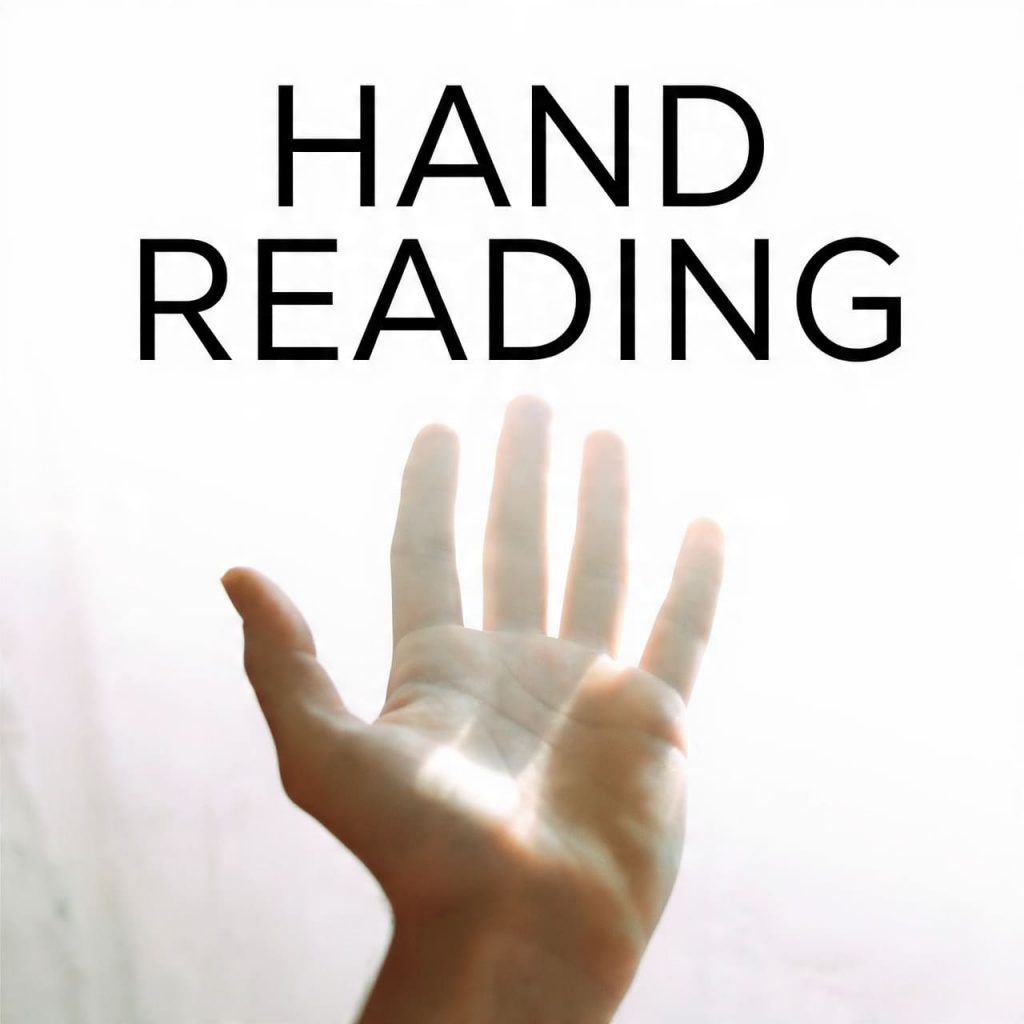
Hand reading, often referred to as palmistry, is a traditional practice that examines the hands to explore personality traits, emotional tendencies, and life patterns. Unlike systems that rely on prediction alone, hand reading is widely understood as observational and reflective. Many believe the hands offer insight into how a person experiences life, adapts to change, and expresses emotion, rather than revealing a fixed destiny.

💜 Need a clear answer right now?
CONSULT THE YES OR NO TAROT Free · No registration · Instant resultPractitioners suggest that hand reading works best when approached with curiosity and balance. The hands are seen as dynamic, shaped by genetics, habits, and lived experience. This means interpretation focuses on tendencies and patterns, not guarantees. As interest in self-reflection grows, hand reading continues to attract beginners and experienced learners alike because of its personal and grounded nature.
This article provides a comprehensive, informative guide to hand reading. It explains what hand reading is, how it works, what elements are examined, benefits and limitations, and how to approach the practice responsibly. The goal is clarity and credibility, presenting hand reading as a thoughtful tool for self-awareness rather than certainty.
What Is Hand Reading?
Definition and core idea
Hand reading is the practice of interpreting physical features of the hands, including lines, shapes, fingers, and mounts. Each feature is observed symbolically to understand traits such as emotional expression, thinking style, and personal energy.
Many believe hand reading reflects how a person interacts with life rather than what will happen to them. This distinction is essential for responsible interpretation.
Hand reading versus fortune-telling
A common misconception is that hand reading predicts specific future events. Practitioners generally reject this view. Instead, they describe hand reading as interpretive and reflective, offering insight into tendencies and potential paths rather than fixed outcomes.
This reflective approach keeps expectations realistic and ethical.
Why hand reading remains popular
Hand reading remains popular because it feels personal. The hands are unique, visible, and constantly with us. Observing them encourages self-reflection and awareness in a tangible way.
The Hands as Symbols of Personality and Experience
Why the hands are studied
In hand reading, the hands are believed to reflect both inherited traits and developed habits. The structure of the hand may indicate temperament, while lines suggest how experiences have shaped responses over time.
Practitioners emphasize that no single feature defines a person. Meaning emerges from the combination of elements.
Dominant and non-dominant hands
Most hand readers examine both hands. The non-dominant hand is often associated with inherited tendencies or early influences, while the dominant hand reflects current expression and personal choices.
For beginners, starting with the dominant hand often feels more intuitive.
Changes in the hands over time
Hands can change subtly over time. Lines may deepen or fade, reflecting shifts in priorities or experiences. This reinforces the idea that hand reading focuses on development rather than fate.
Key Elements Examined in Hand Reading
Palm lines
Palm lines are the most recognized aspect of hand reading. The major lines commonly examined include the life line, head line, and heart line. These lines are interpreted symbolically rather than literally.
Line clarity, depth, and interaction are often considered more important than length alone.
Hand shape and size
Hand shape is believed to reflect temperament. Some traditions classify hands into elemental types, such as earth, air, fire, and water, each associated with certain traits like practicality, communication, enthusiasm, or sensitivity.
Hand size in proportion to the body may also be considered when observing overall expression.
Fingers and thumbs
Finger length, spacing, and flexibility are thought to reflect communication style, adaptability, and willpower. The thumb, in particular, is often associated with determination and decision-making.
These features add nuance to line interpretation.
The Major Lines Explained Simply
The life line
The life line curves around the base of the thumb. Contrary to popular belief, it does not predict lifespan. Practitioners often interpret it as reflecting vitality, resilience, and how a person responds to change.
Breaks or variations are commonly seen as transitions rather than negative signs.
The head line
The head line runs horizontally across the palm and is associated with thinking style and focus. A straight head line is often linked with analytical thinking, while a curved one may suggest creativity or imagination.
Its relationship with the heart line often adds important context.
The heart line
The heart line runs near the top of the palm and reflects emotional expression and relationship style. It is often examined for how emotions are expressed rather than whom someone will love.
Some people explore emotional themes through hand reading alongside love tarot readings to gain complementary symbolic insight.
Minor Features in Hand Reading
Fate and direction lines
Some palms show a vertical line toward the center, often called the fate line. If present, it is usually associated with structure, responsibility, or external influences rather than destiny.
Not everyone has a prominent fate line, and its absence is not considered negative.
Mounts of the palm
Mounts are the raised areas of the palm, each linked symbolically to certain qualities. For example, the Venus mount is often associated with warmth and affection.
Mounts are interpreted in relation to the whole hand rather than in isolation.
Fine markings and texture
Fine markings, such as small branches or chains, are interpreted cautiously, especially for beginners. Texture and firmness of the hand may also provide insight into energy and adaptability.
How Hand Reading Is Practiced Today
In-person hand reading
Traditional hand reading is often done face to face. This allows observation of movement, flexibility, and interaction. Many qualified professionals emphasize dialogue and explanation rather than declaration.
In-person reading often feels collaborative and educational.
Online and digital hand reading
Modern access has expanded through online tarot sessions that also include palmistry or hand reading features. These formats often use photos or guided descriptions.
Practitioners suggest digital readings can be useful when approached thoughtfully.
Video and phone-based formats
Some people learn hand reading through video readings, where techniques are demonstrated visually. Others prefer phone readings, which emphasize explanation and discussion over visuals.
Each format suits different learning styles.
Benefits of Hand Reading
Encouraging self-awareness
One of the primary benefits of hand reading is self-awareness. Observing hand features encourages reflection on habits, emotional tendencies, and responses to challenges.
Many believe this awareness supports more mindful decision-making.
Accessibility and simplicity
Hand reading requires no tools beyond observation. This simplicity makes it accessible to beginners and appealing to those who prefer grounded practices.
Free and introductory resources often focus on basic elements to reduce overwhelm.
Personal and reflective nature
Because hand reading focuses on the individual’s hands, it often feels personal. This personal focus can make insights feel more relevant and engaging.
Limitations and Responsible Use
Why hand reading is not predictive
Hand reading does not offer guaranteed outcomes. Practitioners emphasize that it reflects tendencies shaped by choice and circumstance.
Understanding this limitation prevents unrealistic expectations.
Avoiding dependency
Repeatedly seeking hand readings for reassurance can reduce their usefulness. Ethical practice encourages reflection and personal responsibility between readings.
Hand reading is most effective as a support, not a substitute for judgment.
Importance of ethical interpretation
Ethical hand reading avoids absolute claims and respects boundaries. This is especially important when reading for others.
Many people value working with reliable readers who communicate limitations clearly.
Hand Reading and Emotional Insight
Understanding emotional expression
The heart line and related features are often examined to understand how emotions are expressed. This insight can help individuals recognize patterns in relationships.
The focus remains on self-understanding rather than prediction.
Responsibility in relationship readings
Hand reading should not be used to make claims about another person’s intentions. Ethical interpretation centers on the individual’s traits and responses.
Hand Reading and Other Reflective Practices
Hand reading and tarot
Tarot and hand reading are sometimes combined for broader reflection. Tarot explores situational themes, while hand reading focuses on personal tendencies.
Using both systems together can offer complementary perspectives.
Hand reading and astrology
Astrology examines cycles and timing, while hand reading reflects lived experience. Some people combine hand reading with horoscope insights to gain contextual awareness alongside personal traits.
Comparison overview table
| Practice | Primary Focus | Method | Insight Type |
|---|---|---|---|
| Hand reading | Personal tendencies | Hand observation | Self-awareness |
| Tarot | Situational insight | Symbolic cards | Contextual |
| Astrology | Cycles and timing | Birth data | Pattern-based |
Preparing for a Hand Reading
Creating a focused mindset
A calm, attentive mindset supports clearer observation. Rushing through a hand reading often reduces its reflective value.
Patience allows patterns to emerge naturally.
Framing thoughtful intentions
Although hand reading relies on observation, intention still guides focus. Reflecting on what you want to understand helps direct attention to relevant features.
Using strategies explained in palm reading for clearer questions can support meaningful exploration during a hand reading session.
Choosing which hand to read first
Beginners often start with the dominant hand. Over time, comparing both hands adds depth and balance.
Learning and Developing Skill in Hand Reading
Observation before interpretation
Experienced practitioners recommend observing without interpreting initially. This prevents bias and encourages accuracy.
Notes or sketches can help track observations.
Practicing on different hands
Studying a variety of hands builds perspective. Variation reinforces the idea that hand reading is interpretive rather than formulaic.
Gradual learning approach
Starting with basic lines and shapes before exploring advanced features keeps learning manageable and enjoyable.
Using strategies explained in palm reading for clearer questions can further support learning by helping learners focus their observations responsibly.
Frequently Asked Questions
Is hand reading the same as palmistry?
Yes, hand reading is commonly used as another term for palmistry.
Can anyone learn hand reading?
Basic concepts are accessible to beginners with practice.
Do hands really change over time?
They can change subtly, reflecting experience and habit.
Which hand is more important?
Most practitioners read both for a balanced view.
Is hand reading accurate?
Accuracy is subjective and often measured by relevance rather than prediction.
Is hand reading safe?
It is generally safe when used reflectively and ethically.
How often should hand reading be done?
Occasionally, with time for reflection between sessions.
Conclusion
Hand reading is a reflective practice rooted in observation, symbolism, and context. By examining lines, shapes, and features of the hands, individuals can explore personality traits, emotional tendencies, and patterns of experience. Its value lies not in predicting outcomes, but in encouraging awareness and thoughtful self-exploration.
When approached responsibly, hand reading becomes a practical tool for insight rather than certainty. Understanding its benefits and limitations allows individuals to engage with the practice in a balanced way, using the hands as mirrors for personal growth and understanding rather than maps of fixed destiny.
