

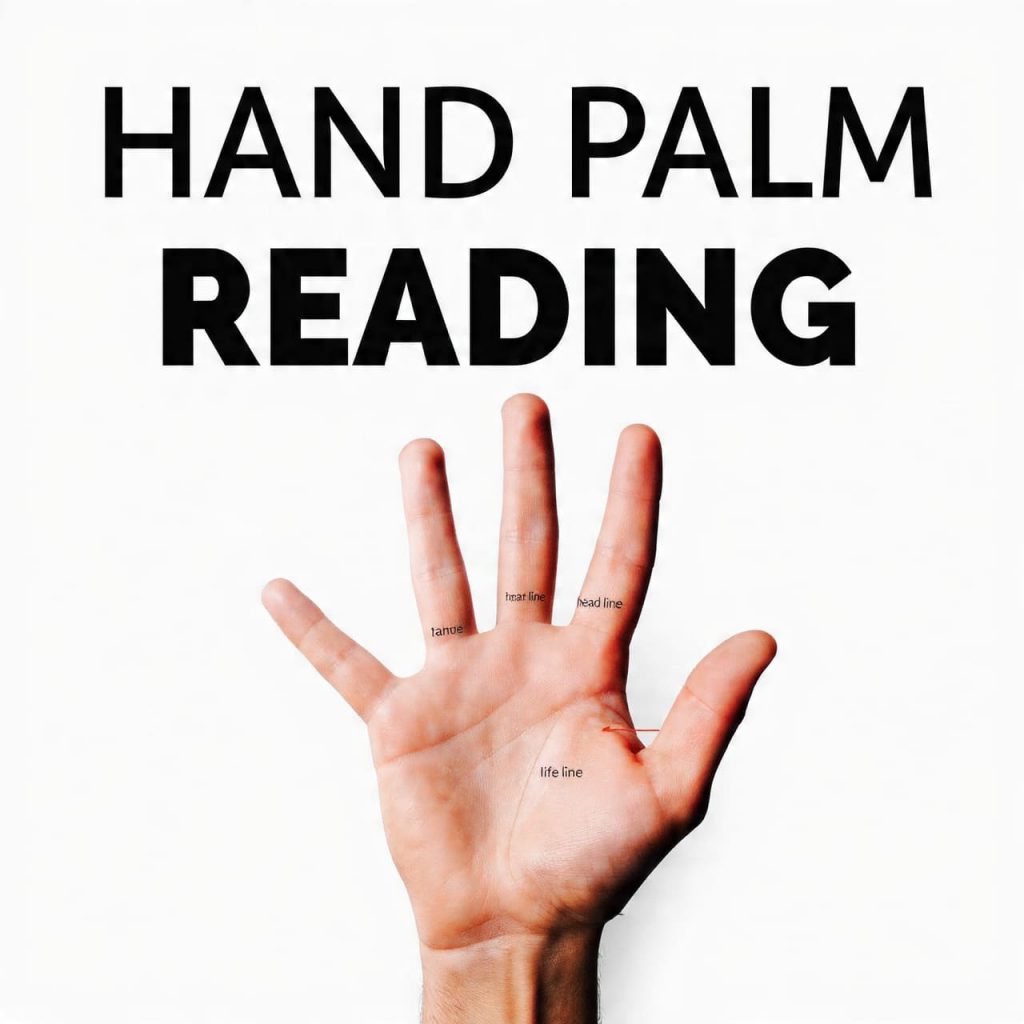
Hand palm reading, often referred to as palmistry or chiromancy, is one of the oldest symbolic systems used to explore personality traits, emotional tendencies, and long-term life patterns. Across cultures and centuries, people have examined the hands not as fixed maps of destiny, but as evolving reflections of experience, behavior, and potential. In modern contexts, hand palm reading is widely approached as a reflective and interpretive practice rather than a method of absolute prediction.

💜 Need a clear answer right now?
CONSULT THE YES OR NO TAROT Free · No registration · Instant resultToday, hand palm reading is commonly explained and practiced by qualified professionals who emphasize ethical interpretation, context, and dialogue. This article provides an in-depth, balanced overview of hand palm reading, including how it works, what the hands are believed to represent, how interpretations are formed, modern formats, pricing expectations, and how individuals can approach palmistry thoughtfully and realistically.
Understanding Hand Palm Reading
What hand palm reading is believed to reveal
Hand palm reading focuses on observing the physical structure of the hands to explore tendencies related to personality, communication, emotional expression, and adaptability. Practitioners examine features such as palm shape, finger length, flexibility, and line patterns. Many believe the hands reflect how a person interacts with life rather than what will definitively happen to them.
Symbolism rather than certainty
Modern palmistry is largely symbolic. Rather than offering fixed outcomes, practitioners suggest that the hands reveal patterns of response, strengths, and challenges. This approach aligns palm reading more closely with reflective self-awareness than fortune-telling.
Why palmistry remains relevant today
Despite its ancient origins, hand palm reading continues to attract interest because it encourages reflection without requiring belief in rigid fate. The hands change subtly over time, reinforcing the idea that personal growth and choice matter.
The Two Hands in Palm Reading
Dominant versus non-dominant hand
Many palmists observe both hands. The non-dominant hand is often associated with innate tendencies or early influences, while the dominant hand is believed to reflect how those traits are expressed through experience and choice. This comparison supports a dynamic, non-deterministic interpretation.
Why both hands matter
Examining only one hand can lead to incomplete conclusions. Differences between the hands may indicate personal development, shifts in priorities, or learned behaviors.
Variations in practice
Some traditions reverse dominant-hand meanings or interpret both hands equally. This highlights why context and explanation from the reader matter.
Major Lines in Hand Palm Reading
The heart line
The heart line is traditionally associated with emotional expression, connection, and values in relationships. Rather than predicting romantic outcomes, it is often discussed in terms of emotional style and communication.
The head line
The head line is linked to thinking patterns, learning style, and decision-making tendencies. Interpretations usually focus on how a person processes information rather than intelligence itself.
The life line
Contrary to common myths, the life line is not believed to predict lifespan. Many practitioners view it as an indicator of vitality, adaptability, and how one navigates change.
Minor Lines and Markings
Relationship and influence lines
Lines near the edge of the palm are sometimes discussed in relation to partnerships or long-term commitments. These are typically interpreted symbolically rather than literally.
Vertical and horizontal markings
Fine lines, crosses, and markings are examined cautiously. Many practitioners warn against overinterpreting every small line, emphasizing overall patterns instead.
Texture and flexibility
Skin texture, firmness, and flexibility of the hand are also considered. These features are often linked to responsiveness, resilience, or sensitivity.
Hand Shapes and Their Symbolic Meaning
Traditional hand shape categories
Classic palmistry describes elemental hand shapes—earth, air, fire, and water—based on palm proportions and finger length. These categories are used to discuss temperament and general approach to life.
Modern use of hand shapes
Rather than rigid classification, contemporary readers often use hand shapes as a starting point for discussion. Individuals frequently show traits associated with more than one category.
Avoiding stereotypes
Ethical palmists avoid reducing people to labels. Hand shapes are interpreted as flexible tendencies, not defining traits.
How Hand Palm Reading Sessions Typically Work
Observation and explanation
A session usually begins with observation of both hands, followed by explanation of visible features. Readers often describe what they see before offering interpretation.
Interactive dialogue
Modern palm reading is conversational. Practitioners may ask whether interpretations resonate, adjusting discussion based on feedback.
Emphasis on personal context
Life experience, culture, and personal values are often considered alongside physical features, reinforcing that palmistry is interpretive rather than absolute.
In-Person Hand Palm Reading
Why in-person readings remain popular
Face-to-face sessions allow readers to observe subtle details directly and adjust interpretations in real time. Many people find the tactile and visual aspect grounding.
Common settings
In-person hand palm readings often take place in private studios, wellness centers, or holistic spaces designed to support calm discussion rather than spectacle.
Who benefits most
First-time clients or those curious about detailed observation often prefer in-person sessions.
Online and Remote Hand Palm Reading Options
How palm reading adapts to digital formats
Technology has expanded access to palmistry. Clients may share photographs or participate in live sessions where hands are shown on camera.
Common remote formats
Hand palm reading is now offered through online tarot sessions adapted for palmistry, video readings for visual clarity, and phone readings using shared images.
Strengths and limitations
Remote sessions offer convenience but may miss subtle tactile details. Clear images and communication help bridge this gap.
Preparing for a Hand Palm Reading
Why preparation matters
Preparation helps ensure that a reading feels meaningful rather than confusing. Entering with realistic expectations supports productive discussion.
Asking thoughtful questions
Using strategies explained in palm reading for clearer questions, practitioners often suggest focusing on understanding tendencies, patterns, or personal strengths instead of seeking fixed predictions.
Practical preparation tips
People preparing for a hand palm reading often:
- Reflect on key areas of curiosity
- Remain open to interpretation
- Avoid expecting definitive answers
Love and Relationships in Hand Palm Reading
How relationship themes are explored
Palmistry often discusses emotional expression, attachment style, and communication patterns rather than predicting relationship outcomes.
Symbolic interpretation
Lines and mounts associated with emotion are framed as indicators of how individuals engage in relationships, not whom they will be with. Love tarot readings are sometimes referenced as a parallel symbolic system.
Asking constructive relationship questions
Using strategies explained in palm reading for clearer questions, readers often encourage focusing on personal growth and emotional awareness.
Hand Palm Reading and Astrology
How astrology may complement palmistry
Some practitioners reference astrological symbolism to add context, such as temperament or timing themes.
Responsible framing
References to horoscope insights are typically offered as background rather than definitive guidance, reinforcing interpretation over prediction.
Using systems together thoughtfully
Palmistry and astrology are usually presented as complementary reflective tools, not decision-making authorities.
Pricing and Duration of Hand Palm Readings
Typical pricing structures
Costs vary depending on format, length, and experience level.
| Session Length | Typical Price Range | Common Focus |
|---|---|---|
| 20–30 minutes | $25–$55 | General overview |
| 45 minutes | $60–$120 | Focused life themes |
| 60 minutes | $100–$180 | In-depth exploration |
Evaluating value
Many believe value comes from clarity and dialogue rather than session length alone.
Frequently Asked Questions
What is hand palm reading?
It is a symbolic practice that examines hand features to explore personality traits and life patterns.
Is hand palm reading predictive?
Most modern practitioners suggest it is interpretive, not predictive.
Do palm lines change?
Many believe lines can evolve over time, reflecting personal growth and experience.
Can hand palm reading be done online?
Yes, with clear images and communication, online and video formats are common.
Is palm reading suitable for beginners?
Yes, it is often accessible and explained step by step.
How often should someone get a palm reading?
Frequency varies; many people seek readings during transitions or periods of reflection.
Conclusion
Hand palm reading remains a widely practiced and enduring form of symbolic interpretation, valued for its focus on reflection rather than certainty. By examining the hands as evolving expressions of experience, modern palmistry emphasizes personal awareness, choice, and dialogue.
When approached thoughtfully and with realistic expectations, hand palm reading can serve as a meaningful tool for self-exploration rather than a source of fixed answers, maintaining its relevance in both traditional and contemporary contexts.
