

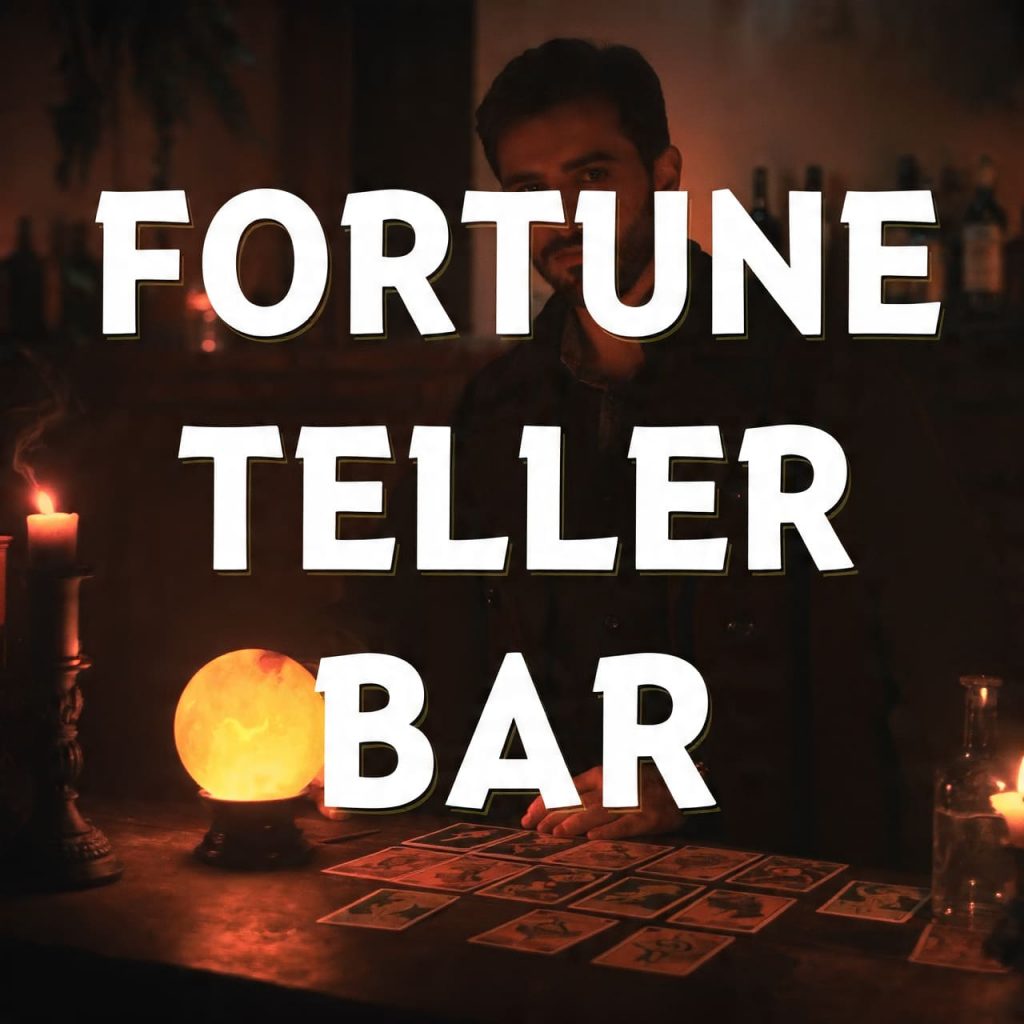
The term fortune teller bar is increasingly used to describe a style of bar experience rather than a single venue. It blends themed mixology, symbolic storytelling, and immersive atmosphere to create an environment where guests feel invited to pause, reflect, and engage beyond ordinary nightlife routines. Rather than focusing on prediction or mysticism, a fortune teller bar typically emphasizes mood, narrative, and interpretation—using symbolism, aesthetics, and conversation as part of the experience.

💜 Need a clear answer right now?
CONSULT THE YES OR NO TAROT Free · No registration · Instant resultAcross major cities and hospitality scenes, these bars are often designed by qualified professionals in hospitality, interior design, and experiential branding who understand how storytelling influences guest perception. This article explores what a fortune teller bar is, how it differs from traditional bars, what visitors can realistically expect, pricing norms, accessibility considerations, and how to engage with the experience in a balanced, informed way.
What Is a Fortune Teller Bar?
A concept rather than a single format
A fortune teller bar is not necessarily a place where fortunes are told in a literal sense. Instead, it refers to bars that use symbolic themes—cards, astrology, fate, intuition, or storytelling—to shape décor, drink menus, and guest interaction. Many believe the appeal lies in atmosphere rather than belief.
Symbolism over prediction
Most fortune teller bars avoid making claims about predicting the future. Instead, symbolism is used playfully or reflectively. Drinks may be named after archetypes, emotions, or choices, encouraging guests to interpret meanings personally rather than receiving fixed messages.
Why the concept resonates
In an era where people seek experiences rather than transactions, fortune teller bars offer a pause from routine nightlife. They create space for conversation, curiosity, and shared interpretation without requiring belief in the supernatural.
The Design and Atmosphere of Fortune Teller Bars
Visual storytelling through space
Interior design plays a central role. Dim lighting, rich textures, candles, velvet, mirrors, and symbolic artwork are common. The goal is to slow perception and invite attention to detail.
Music and sensory balance
Soundscapes are usually curated carefully—ambient, jazz, or low-tempo electronic music is common. This supports conversation and reflection rather than high-energy distraction.
Staff as part of the experience
Bartenders and hosts often participate in the theme through language and presentation. However, reputable venues avoid role-play that blurs reality. Many align with the same ethical boundaries emphasized by reliable readers in interpretive practices: suggestion without assertion.
Drinks and Menus: How Symbolism Is Used
Themed cocktails
Cocktails are often categorized by concepts such as “choice,” “change,” “reflection,” or “intuition.” Ingredients may be described symbolically, but the focus remains on craftsmanship and flavor.
Interactive menu elements
Some fortune teller bars invite guests to choose drinks through prompts rather than direct ordering. For example, guests might select a mood or theme, and the bartender responds with a fitting cocktail.
Balance between novelty and quality
High-quality venues ensure that symbolism enhances, rather than replaces, strong mixology fundamentals. Presentation supports the drink; it does not compensate for it.
Fortune Teller Bars vs. Traditional Bars
| Aspect | Fortune Teller Bar | Traditional Bar |
|---|---|---|
| Primary focus | Atmosphere and narrative | Speed and volume |
| Menu structure | Thematic and symbolic | Direct and standard |
| Guest interaction | Conversational and reflective | Transactional |
| Pace | Intentionally slower | Often fast-paced |
This comparison highlights why fortune teller bars appeal to guests seeking depth rather than efficiency.
Social Experience and Group Dynamics
Ideal for small groups
Fortune teller bars are often better suited for individuals, couples, or small groups. Large crowds can dilute the atmosphere and reflective tone.
Conversation as a feature
Many guests find that symbolic prompts make conversation easier. Themes provide neutral starting points that encourage discussion without personal disclosure pressure.
Not a performance venue
Unlike staged entertainment, fortune teller bars rarely include formal performances. The experience unfolds organically through environment and interaction.
Pricing and Value Expectations
Typical pricing ranges
Pricing varies by city and concept, but fortune teller bars often sit in the mid-to-premium range due to design investment and slower service models.
| Item | Typical Price Range |
|---|---|
| Signature cocktails | $14–$22 |
| Mocktails | $10–$15 |
| Small plates | $12–$20 |
Understanding value
Value is often experiential rather than volume-based. Guests pay for time, atmosphere, and attention rather than speed or quantity.
Transparency matters
Reputable venues clearly list prices and avoid surprise charges, aligning with the same transparency standards expected in online tarot sessions and other interpretive services.
Accessibility and Inclusivity Considerations
Physical accessibility
Not all themed bars are equally accessible. Prospective visitors may want to check entrance layouts, seating options, and lighting levels in advance.
Non-alcoholic options
Many fortune teller bars now offer thoughtful non-alcoholic menus, recognizing that reflection and atmosphere do not require alcohol.
Emotional comfort
Ethical venues avoid language that pressures guests into belief or participation. The experience remains optional and interpretive.
Preparing to Visit a Fortune Teller Bar
Setting expectations
Guests benefit most when approaching the experience with curiosity rather than expectation. It is not a place for answers, but for atmosphere and conversation.
Choosing the right moment
These bars are often best enjoyed when time is not rushed. Visiting during quieter hours can enhance the experience.
Engaging thoughtfully
Using strategies explained in fortune teller for clearer interpretation, guests often find it helpful to treat symbolic elements as prompts for reflection rather than messages to decode literally.
Fortune Teller Bars and Modern Symbolic Culture
Why symbolism is popular
Symbols allow people to project meaning without instruction. This flexibility makes symbolic environments appealing across cultures and belief systems.
Entertainment without obligation
Unlike literal fortune telling, bars using symbolic themes allow guests to engage or disengage freely, maintaining autonomy.
Connection to other interpretive spaces
The experience shares similarities with reflective environments such as art installations, immersive theater, and even video readings where interpretation is personal rather than prescribed.
Responsible Interpretation and Boundaries
Avoiding over-meaning
Symbols are intentionally open-ended. Assigning excessive meaning can reduce enjoyment and distort intent.
Respecting the venue’s role
Fortune teller bars are hospitality spaces, not advisory services. Staff are hosts and bartenders, not guides or counselors.
Personal agency remains central
Guests choose what meaning, if any, they take from the experience. This mirrors best practices in ethical interpretive traditions.
Fortune Teller Bars and Relationship Experiences
Popular for dates
The atmosphere encourages conversation without pressure. Shared symbolism offers neutral topics that reduce social friction.
Group reflection without exposure
Because prompts are abstract, guests can engage without revealing personal details, which many find comfortable.
Not a substitute for guidance
Some guests pair the experience with reflective interests such as love tarot readings elsewhere, but the bar itself remains recreational.
Frequently Asked Questions
Is a fortune teller bar a place where fortunes are told?
No. Most fortune teller bars use symbolism for atmosphere and storytelling, not literal fortune telling.
Are fortune teller bars expensive?
They are often moderately priced, reflecting design, service style, and experience rather than volume.
Do you need to believe in symbolism to enjoy it?
No. Many guests enjoy the environment purely as themed hospitality.
Are these bars suitable for non-drinkers?
Many venues offer well-developed non-alcoholic menus and welcome guests regardless of drinking preferences.
Is the experience interactive?
Interaction is optional. Guests can engage with themes as much or as little as they choose.
Are fortune teller bars the same everywhere?
No. Concepts vary widely by city, culture, and creative direction.
Cultural and Astrological References
Some venues reference broader symbolic systems such as seasons, archetypes, or timing. When astrology is mentioned, it is typically framed in a light, contextual way similar to horoscope insights rather than as guidance.
Communication Styles Within the Experience
Fortune teller bars often blend:
- Visual symbolism (design and presentation)
- Textual cues (menus and prompts)
- Verbal tone (staff interaction)
This mirrors how interpretive experiences work across formats, including quiet, focused interactions similar to phone readings where attention and presence matter more than spectacle.
Conclusion
A fortune teller bar is best understood as a symbolic hospitality experience rather than a place of prediction or belief. Through atmosphere, storytelling, and thoughtful design, these venues invite guests to slow down, reflect, and engage socially in a more intentional way.
When approached with realistic expectations and curiosity, a fortune teller bar offers value through mood, conversation, and shared interpretation—not answers. As part of a broader cultural shift toward experiential spaces, it represents how symbolism can enrich everyday leisure without demanding belief or certainty.
