

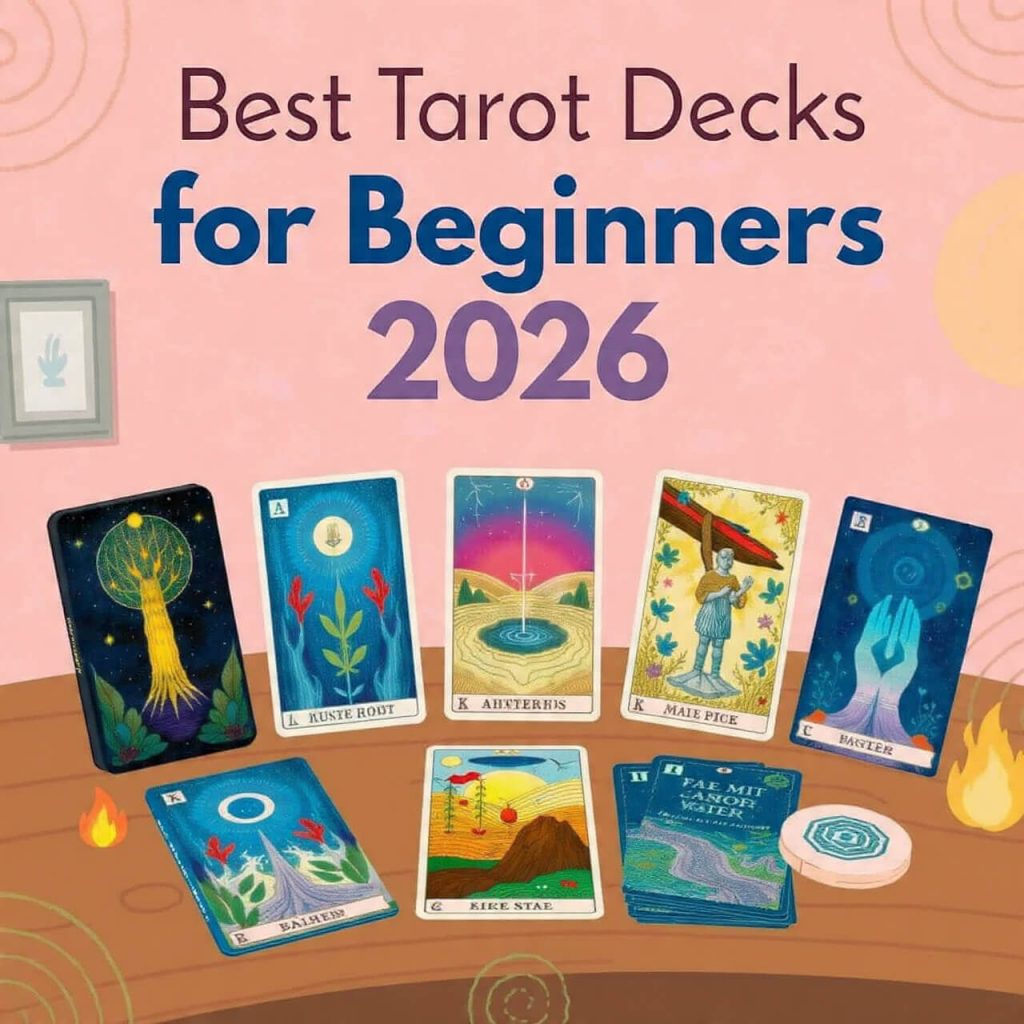
Choosing your first tarot deck is one of the most exciting—and sometimes overwhelming—steps in learning tarot. With hundreds of decks available today, beginners often wonder which one will help them learn card meanings, build confidence, and develop a comfortable connection with the imagery. The best tarot decks for beginners in 2026 balance clear symbolism, friendly artwork, and intuitive storytelling that makes card interpretation easier. A beginner-friendly deck doesn’t need to be fancy or rare; it simply needs to communicate meaning in a way that feels accessible and engaging.

💜 Need a clear answer right now?
CONSULT THE YES OR NO TAROT Free · No registration · Instant resultMany people believe the right deck helps new readers build trust in their intuition and develop a deeper connection with tarot symbolism. Practitioners suggest that decks with classic structures, such as the Rider-Waite-Smith tradition, offer the strongest foundation. These decks typically have straightforward imagery that aligns with most learning resources, making it easier to understand the Major Arcana, Minor Arcana, suits, and court cards. More modern decks focus on diversity, updated art styles, and inclusive themes—features many beginners appreciate today.
If you prefer learning in person, some communities offer workshops where you can explore decks hands-on through local tarot options, often described in guides like local tarot options. Others start through online courses, phone lessons, or self-paced learning using digital tools. This comprehensive guide highlights the best tarot decks for beginners in 2026, explains what makes a deck beginner-friendly, provides a comparison table, and offers tips to choose the deck that matches your learning style. With structured insights, examples, and FAQs, this article helps you start your tarot journey with confidence.
What Makes a Tarot Deck Beginner-Friendly?
Clear Symbolism
Beginners benefit from decks with recognizable imagery that reflects traditional meanings.
Consistent Structure
A deck that follows the classic 78-card system helps newcomers learn spreads accurately.
Readable Artwork
Illustrations should be easy to understand without requiring advanced interpretation.
Key Features Beginners Should Look For
- Intuitive images
- Consistent suits and numbering
- Expressions, colors, and symbolism that support reflection
- Clear depictions of action or emotion
- A guidebook with supportive explanations
Many beginners find it helpful to compare symbolic themes with personal timing patterns similar to those found in horoscope insights.
Classic Tarot Decks Ideal for Beginners
Rider-Waite-Smith (RWS)
Still the most widely used beginner deck, thanks to its clear storytelling artwork and symbolic consistency.
Smith-Waite Centennial Edition
A modern restoration of the original, offering gentle colors and slightly clearer imagery.
Universal Waite Tarot
An updated, softer interpretation of the classic deck.
Why Classic Decks Work Well
- Most learning materials are based on RWS
- Clear facial expressions
- Beginner-friendly symbolism
- Easy transitions into more advanced studies
Readers who learned through structured decks often continue developing reflective skills within communities like videntes-fiables.
Modern Beginner Tarot Decks for 2026
Light Seer’s Tarot
Bright, intuitive, and emotionally expressive illustrations make it a top beginner choice.
Modern Witch Tarot
Inclusive art, updated symbolism, and clear storytelling suit younger readers or those who prefer contemporary themes.
The Muse Tarot
Creative and expressive, ideal for artistic or intuitive learners.
Why Modern Decks Appeal to Today’s Beginners
- Updated representation
- Gender-inclusive and diverse imagery
- Emotional clarity
- Inspiring colors and themes
- Easy to connect with
These kinds of decks often work well in relationship-oriented readings similar to those explored in love tarot readings.
The Best Tarot Decks for Learning Card Meanings
Decks with Illustrated Pips
Beginner decks should have full illustrations in the Minor Arcana, not only geometric patterns.
Decks with Color-Coded Themes
Some beginners learn better when suits use distinct colors or symbols.
Decks with Narrative Imagery
Story-like illustrations help reinforce card meanings.
Examples of Learning-Friendly Features
- Distinct suits and icons
- Body language that suggests meaning
- Symbols placed consistently across the deck
- Clear emotion in each card
- Guidebooks with step-by-step interpretation
Readers seeking structured learning sometimes choose decks used in courses by qualified professionals.
Best Tarot Decks by Learning Style
Analytical Learners
Prefer structured, traditional decks with clear symbolism.
Visual Learners
Benefit from bright, expressive decks with modern artwork.
Intuitive Learners
Prefer decks with abstract or emotional imagery.
Table 1: Recommended Decks by Learning Style
| Learning Style | Recommended Deck | Why It Works |
|---|---|---|
| Analytical | Rider-Waite-Smith | Classic symbolism |
| Visual | Light Seer’s Tarot | Colorful, intuitive art |
| Intuitive | The Muse Tarot | Emotional storytelling |
| Structure-Based | Universal Waite | Consistent imagery |
| Modern | Modern Witch Tarot | Updated and inclusive |
Tarot Decks That Help Beginners Connect Emotionally
Decks with Expressive Faces
Emotionally rich illustrations help readers understand the tone of the card.
Decks with Inclusivity
Representation helps beginners feel connected to the imagery.
Decks with Calming Aesthetics
Some beginners prefer gentle, grounding artwork.
Helpful Emotional Traits in Beginner Decks
- Warm color palettes
- Soft or encouraging themes
- Clear emotional cues
- Balanced energy (not too dark or intense)
- Consistent symbolism
Readers often use emotional imagery when discussing relationship concerns similar to those explored in love tarot readings.
Tarot Decks for Digital & Remote Learning
Digital Decks
Useful for people learning through online platforms such as tarot-online.
Video-Based Decks
Cards that display well on camera work best for readings conducted through tarot-videollamada.
Phone-Based Decks
Clear linework helps readers describe cards effectively in voice-only readings similar to tarot-telefonico.
Qualities Needed for Remote-Friendly Decks
- Clear linework
- Bold symbols
- Strong contrast
- Cards large enough to see on camera
- Easy verbal description
These qualities help new readers communicate confidently when reading for others online.
Tarot Decks for In-Person Learning
Hands-On Practice
Some people learn best by physically holding the cards, which can be explored through local tarot options, mentioned earlier at local tarot options.
Physical Touch
Paper texture, card size, and shuffle feel matter.
Classroom Workshops
Community tarot classes often use traditional decks.
Why In-Person Decks Matter
- Tactile experience
- Easier demonstration
- More intuitive to learn spreads with physical cards
- Closer connection to artwork
- Fewer digital distractions
Choosing the Right Tarot Deck for You
Consider Your Learning Style
Choose a deck that matches how you process information.
Think About Emotional Comfort
The imagery should feel supportive rather than intimidating.
Look for Clear Symbolism
Avoid overly abstract decks as a first choice.
Steps to Choose Your First Deck
- Browse sample card images
- Read reviews
- Hold a deck if possible
- Choose artwork you connect with
- Avoid decks that feel confusing or heavy
Readers often connect more deeply with decks that feel emotionally supportive.
Tarot Deck Pricing for Beginners in 2026
Cost Varies by Material & Detail
Hand-painted, gold-foil, or indie decks cost more.
Mass-Market Decks Are Affordable
Most beginners start with standard printed decks.
Table 2: Beginner Deck Pricing Guide
| Deck Type | Typical Price |
|---|---|
| Mass-Market Deck | $18–$30 |
| Premium Deck | $35–$55 |
| Indie Deck | $45–$90 |
| Boxed Sets with Guidebook | $25–$45 |
Caring for Your First Tarot Deck
Keep It Protected
Use pouches or boxes to prevent wear.
Handle Gently
Cards last longer when handled with care.
Cleanse Emotionally (Optional)
Some readers like simple rituals such as deep breaths or thoughtful intention-setting — always optional, never required.
Deck Care Tips
- Keep away from moisture
- Avoid bending cards
- Shuffle lightly until confident
- Store safely
- Handle mindfully
Frequently Asked Questions
Do beginners need a specific tarot deck?
Not strictly, but decks with clear, traditional symbolism are easiest for new readers.
Is Rider-Waite-Smith the best deck for learning?
Many beginners find it helpful because most learning resources are based on it.
Can teens learn tarot safely?
Yes — as long as the reader practices ethically and focuses on reflection rather than prediction.
Are modern decks okay for beginners?
Absolutely. Many modern decks offer accessible imagery and emotional clarity.
Do I need multiple decks to learn?
No. One well-chosen deck is enough to start your journey.
Are digital decks effective for beginners?
Yes, especially for those learning online or through remote sessions.
Should I choose a deck based on intuition?
Connection matters, but clarity and readability are equally important.
How long before I feel comfortable reading cards?
It varies. Many feel comfortable within a few weeks of steady practice.
Conclusion
Choosing the best tarot deck for beginners in 2026 depends on your learning style, emotional comfort, and preference for traditional or modern imagery. Whether you choose a classic deck like Rider-Waite-Smith or a modern favorite like Light Seer’s Tarot, the right deck should feel intuitive, supportive, and easy to learn from.
Many beginners start with online learning or explore categories through local tarot options before choosing their long-term deck.
A good beginner deck makes tarot feel approachable, not overwhelming. By choosing clear imagery, supportive symbolism, and a deck that aligns with your personality, you’ll feel confident and inspired as you begin your tarot journey.
