

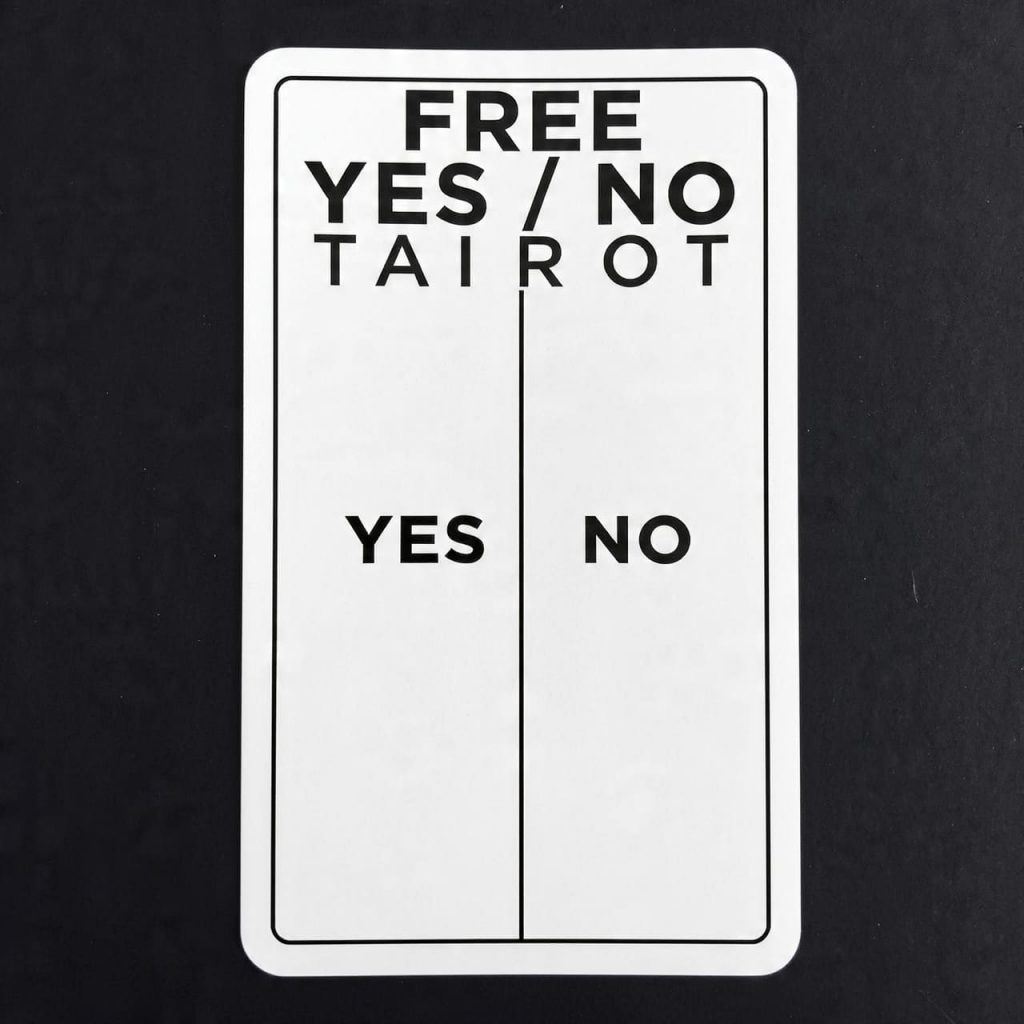
According to Astroideal experts, A free yes no tarot reading is one of the most direct and widely used tarot formats. Unlike multi-card spreads that explore context and nuance, this approach focuses on clarity and immediacy. Many believe it is especially useful when someone feels stuck between two options or needs a moment of reflection before making a small but meaningful decision. Its simplicity has contributed to its popularity across digital platforms and informal consultations.

💜 Need a clear answer right now?
CONSULT THE YES OR NO TAROT Free · No registration · Instant resultPractitioners suggest that yes no tarot is best understood as a symbolic tool rather than a definitive answer system. Tarot cards do not speak in literal affirmatives or negatives on their own; instead, readers interpret the energy, symbolism, and traditional meanings of the drawn cards to suggest a leaning toward “yes,” “no,” or occasionally “unclear.” When offered for free, this type of reading often serves as a starting point for reflection rather than a substitute for deeper exploration.
This article provides a comprehensive and balanced overview of free yes no tarot. It explains how it works, what people commonly use it for, its strengths and limitations, and how to approach it responsibly. The goal is to inform and guide readers who are curious about this tarot format while maintaining a realistic and credible perspective.
What Is a Yes No Tarot Reading?
Core concept and intention
A yes no tarot reading is designed to address a single, focused question that can reasonably be framed as having two main outcomes. Many believe its appeal lies in reducing complexity, offering a moment of pause where intuition and symbolism intersect.
Practitioners suggest that this format works best when the question is clear, specific, and grounded in the present. For example, questions about immediate actions or short-term choices often align better with yes no readings than broad life questions.
How tarot cards are interpreted as yes or no
Tarot decks do not contain explicit “yes” or “no” cards. Instead, readers rely on traditional associations. Upright cards linked with growth, harmony, or forward movement are often interpreted as leaning yes, while cards associated with blockage, delay, or conflict may lean no.
Some practitioners also consider reversals, elemental balance, or the overall tone of the card. This interpretive flexibility is why many believe yes no tarot should be viewed as guidance rather than absolute judgment.
Why the format is often offered for free
Free yes no tarot readings are common because they require minimal time and explanation. Digital tools can generate them quickly, and human readers often offer them as introductory experiences. Even qualified professionals may provide brief yes no readings to help individuals familiarize themselves with tarot before exploring more detailed spreads.
How Free Yes No Tarot Readings Work
Automated online readings
Many free yes no tarot readings are delivered through automated platforms. A virtual deck is shuffled, one card is drawn, and an interpretation is presented. These systems are designed for speed and accessibility.
Many believe automated readings are useful prompts for reflection, especially when time is limited. Practitioners suggest reading the interpretation slowly and considering how the symbolism resonates personally, rather than taking the result at face value.
Human-guided free readings
Some readers offer free yes no tarot in live chats, social media sessions, or brief consultations. These readings may include a short explanation of why a card leans toward yes or no, adding context that automated tools cannot provide.
Using strategies explained in instant tarot for clearer questions can significantly improve the usefulness of these short interactions. Clear questions help readers focus interpretation and avoid ambiguous outcomes.
Typical duration and experience
A free yes no tarot reading is usually very brief, often completed in a few minutes. The card is drawn, its orientation noted, and a concise interpretation is shared. The brevity is intentional, encouraging the seeker to reflect independently afterward.
Benefits of Free Yes No Tarot
Why many people find it helpful
Free yes no tarot appeals to those who want immediate perspective without complexity. Some commonly noted benefits include the following.
- Quick insight when facing minor decisions
- Easy access without financial commitment
- A low-pressure introduction to tarot symbolism
- Encouragement to pause and reflect before acting
Many believe these benefits make yes no tarot especially suitable for beginners or those new to spiritual tools.
Situations where it is often used
Yes no tarot is commonly used for everyday questions, such as whether to proceed with a plan or revisit a conversation. Practitioners suggest it is most appropriate when the outcome does not carry serious consequences.
For emotionally charged topics, some people still use yes no readings but treat the results cautiously, viewing them as one perspective among many.
Psychological and reflective value
Beyond the answer itself, many believe the true value lies in the reaction it provokes. A “yes” may bring relief or excitement, while a “no” may prompt reconsideration. Practitioners suggest paying attention to these emotional responses, as they often reveal underlying preferences.
Comparing Yes No Tarot With Other Formats
Yes no versus three-card readings
Yes no tarot focuses on direction, while three-card readings explore context. Many believe the latter offers greater nuance, particularly when understanding why an outcome is likely.
The table below highlights key differences.
| Aspect | Yes No Tarot | Three-Card Tarot |
|---|---|---|
| Number of cards | One | Three |
| Depth of insight | Limited | Moderate |
| Best for | Simple decisions | Context and guidance |
| Time required | Very short | Short |
Free versus paid yes no readings
Free readings typically provide minimal explanation. Paid versions may include more context, alternative interpretations, or follow-up questions. Consulting reliable readers can help ensure interpretations remain ethical and grounded.
Integrating yes no tarot with other tools
Some people use yes no tarot alongside journaling, meditation, or horoscope insights. This integrative approach encourages broader self-reflection rather than reliance on a single method.
Preparing Effective Yes No Questions
Characteristics of a good yes no question
Practitioners suggest that effective yes no questions share several traits.
- They are specific and focused
- They relate to the present or near future
- They avoid multiple outcomes in one question
For example, “Is this a good time to start this project?” is clearer than “Will everything work out if I do this?”
The role of intention and clarity
Approaching a reading with calm intention can improve clarity. Taking a moment to center thoughts before drawing a card helps reduce impulsive questioning.
Using strategies explained in instant tarot for clearer questions often leads to interpretations that feel more relevant and less confusing.
Steps many practitioners recommend
Before performing a free yes no tarot reading, consider the following steps.
- Pause and define the question clearly
- Ensure the question can reasonably be answered yes or no
- Draw one card with focused attention
- Reflect on both the card meaning and personal reaction
These steps support thoughtful engagement rather than quick reassurance seeking.
Formats and Accessibility
Online platforms and digital tools
Free yes no tarot readings are widely available through online tarot sessions. These platforms often provide instant results, making them convenient for quick reflection.
Digital access has expanded tarot’s reach, allowing people from different backgrounds to explore it privately and at their own pace.
Live video and voice options
Some readers offer brief yes no readings through video readings, adding visual connection and explanation. Others prefer phone readings, where tone of voice becomes the primary medium.
Each format offers a different experience, and suitability depends on personal comfort and communication style.
Accessibility considerations
Free readings remove financial barriers, making tarot more inclusive. Practitioners suggest that accessibility also involves clear language, ethical boundaries, and encouragement of personal responsibility.
Frequently Asked Questions
Is a free yes no tarot reading truly free?
Most free yes no tarot readings do not require payment, though they may be automated or brief samples. It is advisable to check whether additional services are optional or expected.
How long does a yes no tarot reading take?
Many free readings are completed within a few minutes. Automated tools may provide instant results.
How accurate are yes no tarot readings?
Accuracy is subjective and depends on interpretation and context. Many believe they offer perspective rather than certainty.
Can I ask the same question repeatedly?
Practitioners generally advise against repeated questioning, as it can create confusion and dependency rather than clarity.
What if the answer feels unclear?
An unclear result may suggest the need for more information or time. Many see this as a prompt for reflection rather than a negative outcome.
Are yes no readings suitable for serious decisions?
They are best used for minor or short-term decisions. Serious matters may benefit from deeper discussion or broader spreads.
Do I need experience to use yes no tarot?
No experience is required. The format is designed to be accessible to beginners.
Conclusion
A free yes no tarot reading offers a simple and accessible way to pause, reflect, and consider a focused question. Many believe its value lies not in providing definitive answers, but in encouraging awareness of intuition, symbolism, and personal reaction. When used responsibly, it can support mindful decision-making without replacing critical thinking or personal judgment.
By understanding how yes no tarot works, framing clear questions, and recognizing its limitations, individuals can engage with this format thoughtfully. As part of a broader reflective practice, free yes no tarot remains a useful tool for those seeking momentary clarity in everyday situations.
Aspectos clave de esta consulta de tarot
| Aspecto | Significado | Carta representativa | Acción recomendada |
|---|---|---|---|
| Situación actual | Energía dominante en tu vida | Depende de la tirada | Observar patrones recurrentes |
| Obstáculos | Lo que frena tu avance | Cartas invertidas o de espadas | Identificar y confrontar miedos |
| Consejo | Dirección sugerida por las cartas | Arcanos Mayores positivos | Actuar con confianza |
| Resultado probable | Tendencia si sigues el camino actual | Última carta de la tirada | Ajustar según la orientación |
| Energía oculta | Influencias no evidentes | Cartas de copas o la Luna | Prestar atención a la intuición |
Comparativa de métodos de consulta
| Método | Ventaja principal | Ideal para | Duración media |
|---|---|---|---|
| Presencial | Conexión directa con el tarotista | Consultas profundas y emocionales | 30-60 min |
| Telefónico | Comodidad y disponibilidad | Consultas urgentes o nocturnas | 15-30 min |
| Videollamada | Visual + comodidad del hogar | Equilibrio entre cercanía y accesibilidad | 20-40 min |
| Chat en línea | Privacidad y registro escrito | Personas introvertidas | 20-30 min |
| Tiempo para reflexionar la respuesta | Consultas no urgentes | 24-48h respuesta |
Limitaciones de esta interpretación
Ninguna interpretación de tarot es universal ni determinista. El significado varía según el contexto personal, cultural y emocional de cada consultante.
Usa esta guía como punto de partida para tu propia reflexión, no como verdad absoluta. El tarot orienta, no decide por ti.
Preguntas frecuentes
¿Qué es exactamente una consulta de tarot?
Es una sesión donde un tarotista profesional interpreta las cartas del tarot para ofrecerte orientación y reflexión sobre tu situación actual.
¿El tarot predice el futuro?
El tarot muestra tendencias y energías actuales, no un futuro fijo. Tu libre albedrío siempre tiene la última palabra sobre tu vida.
¿Con qué frecuencia debo consultar el tarot?
Una vez al mes es suficiente para la mayoría de temas. Consultar en exceso puede generar dependencia y confusión.
¿El tarot funciona si no creo en él?
La disposición abierta ayuda, pero no es imprescindible. Muchas personas escépticas encuentran valor en la reflexión que facilita.
¿Puedo consultar el tarot online?
Sí, las consultas online son igual de válidas. Lo importante es la calidad del tarotista, no el medio de comunicación.
¿Qué debo hacer antes de una consulta de tarot?
Define una pregunta clara, busca un momento tranquilo y mantén la mente abierta. No es necesario ningún ritual especial.
¿El tarot es compatible con mi religión?
El tarot es una herramienta de reflexión, no una religión. Muchas personas de diversas creencias lo usan sin conflicto espiritual.
¿Qué pasa si no entiendo lo que dice el tarotista?
Pide aclaraciones sin dudar. Un buen profesional adapta su lenguaje para que comprendas el mensaje con claridad.
¿Las cartas del tarot pueden ser peligrosas?
No. Las cartas son un soporte simbólico. No tienen poder propio ni pueden causar daño. El peligro está solo en la interpretación irresponsable.
¿Cuánto dura una consulta de tarot?
Entre 15 y 45 minutos según el tipo de tirada. Una consulta de calidad no necesita ser larga para ser efectiva.
¿Puedo consultar el tarot por otra persona?
Es posible, pero la lectura es más precisa cuando la persona interesada participa directamente, aunque sea a distancia.
Artículos relacionados
¿Quieres una lectura de tarot personalizada? Consulta con nuestros tarotistas expertos en Astroideal.
