

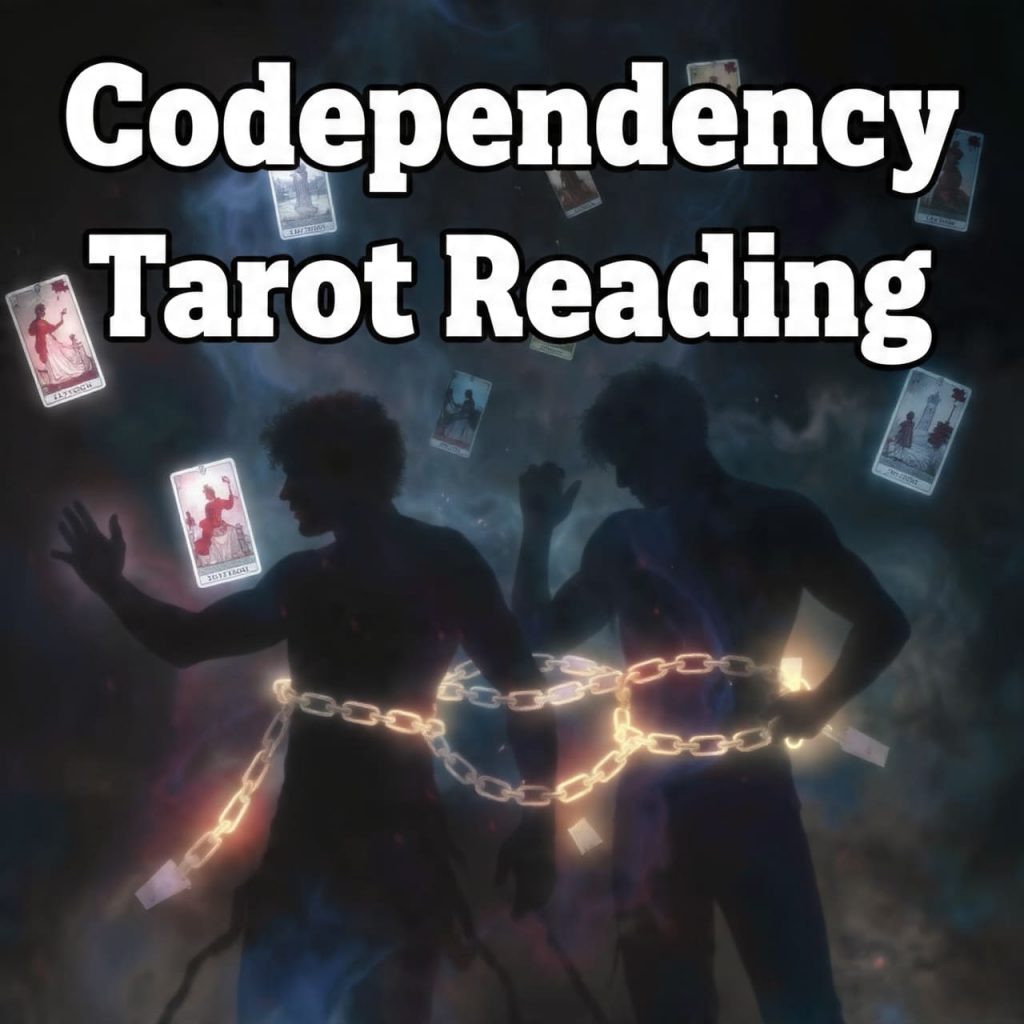
Codependency is a relationship pattern where emotional needs, boundaries, and self-worth become overly tied to another person. It often develops quietly through habits of over-giving, people-pleasing, emotional dependency, or fear of abandonment. A codependency tarot reading is generally used as a reflective tool to explore emotional attachment patterns, personal limits, and self-identity within relationships rather than to label or diagnose behavior.

💜 Need a clear answer right now?
CONSULT THE YES OR NO TAROT Free · No registration · Instant resultPractitioners suggest tarot works best for codependency when it supports self-awareness instead of judgment. Rather than assigning blame to oneself or others, tarot highlights emotional dynamics, unmet needs, and the gradual erosion of personal boundaries that often sustain codependent cycles.
Emotional Cycles and the Foundations of Codependent Patterns
Codependent dynamics often emerge through repeated emotional cycles of over-responsibility, self-sacrifice, and fear of disconnection. These patterns can form in romantic relationships, families, friendships, and even work environments.
Broader emotional rhythms, such as those reflected through horoscope insights, are sometimes considered alongside tarot to observe how emotional sensitivity, dependency, and boundary testing shift across different life phases.
Why Codependency Can Feel “Normal”
When someone has spent years prioritizing others’ needs over their own, imbalance may feel familiar rather than unhealthy.
The Role of Fear in Codependent Attachment
Fear of rejection, conflict, or abandonment often reinforces people-pleasing behaviors.
Why Awareness Often Comes Slowly
Codependent habits usually develop gradually, making them harder to recognize without reflection.
How Tarot Is Used for Codependency Awareness
Codependency tarot focuses on awareness rather than labels. The purpose is not to confirm whether someone “is codependent,” but to reveal where emotional balance, autonomy, and self-worth may be compromised.
Many practitioners suggest that using strategies explained in cards meanings helps people ask grounded questions about emotional boundaries, self-identity, and relational balance instead of framing the reading in terms of fault.
Common Tarot Questions in Codependency Readings
Instead of asking “Who is the problem?”, people often explore:
- Where am I over-giving emotionally?
- What boundary feels hardest to maintain?
- What fear keeps me attached to imbalance?
Major Arcana and Core Identity Lessons
Major Arcana cards often appear when codependent patterns are tied to long-term identity development and self-worth cycles.
Minor Arcana and Daily Emotional Habits
Minor Arcana cards usually reflect everyday communication patterns, emotional sacrifice, guilt, and people-pleasing behavior.
Emotional Patterns and Boundary Struggles in Tarot
Codependency tarot frequently highlights emotional exhaustion, suppressed needs, and blurred boundaries rather than overt conflict.
Revisiting card symbolism using cards meanings often helps people reinterpret guilt, obligation, and emotional pressure with greater clarity instead of self-criticism.
Over-Giving and Emotional Depletion
Repeated cards linked to effort and giving often reflect emotional imbalance rather than generosity.
Fear of Disconnection
Tarot often reveals when fear maintains attachment rather than genuine mutual support.
Loss of Personal Identity
Codependent patterns sometimes emerge when self-worth is defined primarily through another person.
Private Reflection Through Online Tarot Formats
Many individuals begin exploring codependency themes through online tarot sessions, which allow for private reflection without interpersonal pressure.
Why Online Sessions Feel Supportive
Written insights allow time for quiet emotional processing and journaling.
Who Often Chooses This Format
People who prefer introspective self-work often feel comfortable starting here.
Visual Interaction for Emotional Clarity and Reassurance
Some individuals find it helpful to receive emotional reassurance through real-time interaction. For this reason, video readings are often chosen when codependency concerns feel emotionally sensitive.
Why Visual Cues Matter
Facial expression and tone often help reduce confusion and emotional uncertainty.
When Video Readings Feel Most Helpful
During moments of strong emotional attachment or boundary conflict.
Privacy and Emotional Safety Through Voice-Based Readings
Others prefer exploring codependent patterns through phone readings, where emotional honesty can emerge without visual exposure.
Why Voice-Only Feels Less Vulnerable
Not being seen often reduces self-consciousness when sharing personal struggles.
What This Format Emphasizes
Listening, emotional pacing, and empathetic response become central.
Love, Attachment, and Codependent Relationship Patterns
Codependent dynamics most commonly surface in romantic relationships. Many people reflect on these emotional patterns through love tarot readings, which focus on attachment, emotional dependence, and relationship balance.
Why Love Can Intensify Codependency
Romantic attachment often amplifies fear of loss and emotional over-investment.
What People Commonly Seek
Most seek understanding and emotional clarity rather than confirmation of wrongdoing.
Choosing Ethical and Trustworthy Codependency Tarot Readers
Because codependency involves emotional vulnerability, many individuals prefer guidance from qualified professionals who emphasize personal responsibility and emotional safety rather than dramatic claims. Others feel reassured by consulting reliable readers, especially when emotional confusion feels overwhelming.
Pricing, Duration, and What to Expect From a Codependency Tarot Session
| Format | Average Duration | Common Price Range |
|---|---|---|
| Online Session | 15–30 minutes | Moderate |
| Video Reading | 30–45 minutes | Moderate–High |
| Phone Reading | 20–40 minutes | Moderate |
What a Standard Codependency Tarot Session Usually Covers
- Emotional attachment overview
- Boundary and balance themes
- Self-worth and emotional identity patterns
- Over-giving and emotional fatigue indicators
- Short-term emotional clarity focus
Key Benefits of Codependency Tarot Reading
- Encourages emotional self-awareness
- Highlights boundary challenges
- Clarifies emotional attachment patterns
- Reduces guilt-based decision-making
- Supports healthier emotional independence
Frequently Asked Questions
How much does a codependency tarot reading usually cost?
Pricing depends on format, duration, and reader experience. Written sessions are often the most affordable.
How long does a typical codependency tarot session take?
Most sessions last between 20 and 45 minutes.
Can codependency tarot diagnose relationship disorders?
No. Tarot reflects emotional patterns and relational dynamics, not clinical diagnoses.
Is codependency tarot only for romantic relationships?
No. It can also explore family, friendship, and work-related emotional imbalance.
How often should codependency tarot be used?
Practitioners usually recommend occasional reflection rather than repeated reassurance.
Conclusion
Codependency tarot reading offers a calm, symbolic way to explore emotional attachment, boundary erosion, and self-worth struggles without assigning labels or blame. Rather than predicting future relationship outcomes, tarot highlights emotional habits and inner conflicts that quietly shape relational patterns.
When approached with realistic expectations, codependency tarot becomes a tool for emotional clarity rather than judgment. For those seeking greater independence, healthier boundaries, and stronger self-identity within relationships, it often provides a steady framework for awareness, balance, and conscious emotional choice.
